
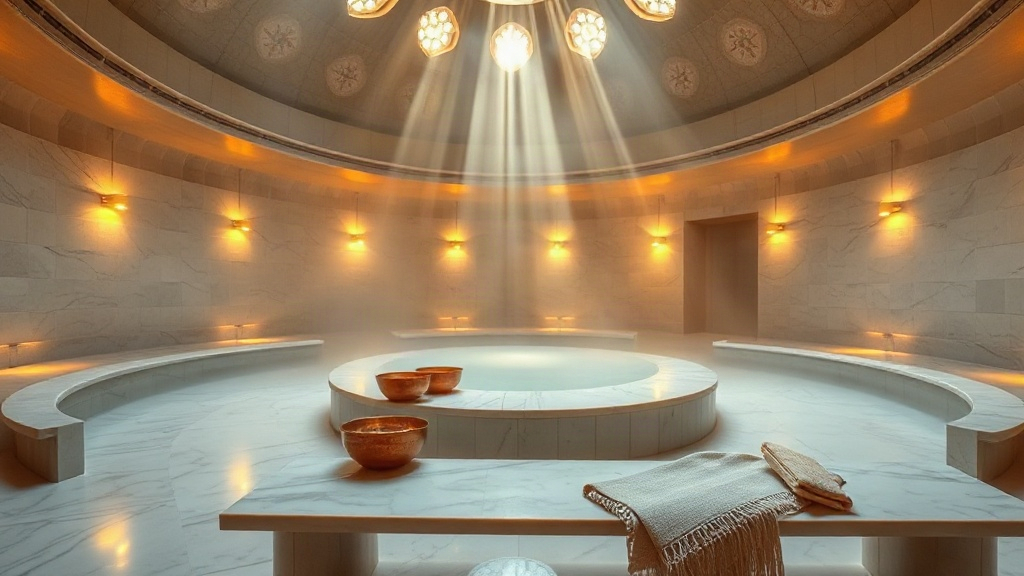
Stepping into a turkish bath is like crossing a threshold into another world. The air is thick with warmth, the marble is cool underfoot, and the sound of water echoes softly off domed ceilings. It's not just a bath; it's a centuries-old ritual that cleanses both body and mind. If you've ever searched for a turkish bath near me, you're likely craving that deep, authentic relaxation that only a traditional hammam can provide. In this guide, I'll walk you through everything you need to know about the Turkish bath experience, from its rich history to practical tips for finding the perfect one in your area.
I still remember my first visit to a hammam in Istanbul. The warmth enveloped me like a heavy blanket, and the marble slab beneath me seemed to melt away the tension I'd been carrying for months. It was more than a spa day; it was a cultural immersion. That's the magic of the Turkish bath, and it's why so many people are now seeking out this experience closer to home.
What Exactly Is a Turkish Bath?
A Turkish bath, also known as a hammam, is a traditional public bathing ritual that originated in the Ottoman Empire and has roots in Roman and Byzantine bathhouses. It's a place for cleansing, relaxation, and socializing, deeply embedded in Middle Eastern and Mediterranean cultures. Unlike a typical Western sauna or steam room, a Turkish bath involves a specific sequence of heating, washing, and cooling, often accompanied by a vigorous scrub and massage.
The architecture of a traditional hammam is distinctive. You'll typically find a series of interconnected rooms with varying temperatures: a warm room, a hot room, and a cooling room. The centerpiece is often a large, heated marble platform called a göbek taşı (belly stone), where bathers lie to sweat and receive treatments. The entire space is designed to promote circulation and deep cleansing, using steam rather than dry heat.
The Rich History Behind the Hammam
The hammam's origins can be traced back to the Roman thermae, which were public bathing facilities that served as social hubs. When the Ottomans embraced Islam, the emphasis on ritual cleanliness led to the adaptation of these bathhouses into what we now know as the Turkish bath. Hammams became essential community centers, especially in cities like Istanbul, where they were often built near mosques to serve worshippers before prayer.
Over centuries, the hammam evolved into a place of celebration and ceremony. Brides would visit the hammam before their weddings, mothers would bring newborns for their first bath, and men would gather to discuss business and politics. This rich social history is part of what makes the Turkish bath experience so unique; it's not just about physical cleanliness, but about community and tradition.
Health and Wellness Benefits of a Turkish Bath
Beyond the cultural allure, a Turkish bath offers tangible health benefits that have stood the test of time. The combination of steam, heat, and exfoliation works wonders for the body. Here are some of the key benefits you can expect:
- Deep cleansing: The steam opens your pores, and the traditional kese (a rough mitt) removes dead skin cells, leaving your skin incredibly soft and renewed.
- Improved circulation: The heat causes blood vessels to dilate, promoting better blood flow and delivering more oxygen to your tissues.
- Muscle relaxation: Lying on the warm marble and receiving a massage can help ease muscle tension and reduce stress.
- Respiratory relief: The humid air can help clear sinuses and ease breathing, especially beneficial for those with mild respiratory issues.
- Mental relaxation: The quiet, meditative atmosphere encourages mindfulness and a break from daily stressors.
Many people who regularly visit a turkish bath report improved skin texture, better sleep, and an overall sense of well-being. It's a holistic experience that addresses both body and mind.
What to Expect During Your First Turkish Bath Visit
If you're new to the hammam, a little preparation can go a long way. Here's a step-by-step guide to a typical Turkish bath session, so you can feel confident and relaxed from the moment you walk in.
Arrival and Preparation
When you arrive at a Turkish bath, you'll typically be given a peştemal (a thin cotton wrap) and a pair of slippers. You'll change in a private or semi-private area and store your belongings in a locker. It's customary to keep your swimsuit or underwear on under the wrap, though some traditional hammams may have separate hours or sections for men and women.
The Warm Room
Your journey begins in the warm room, where the temperature is moderate. This allows your body to acclimate and begin sweating gently. You might sit or lie on a bench, letting the heat relax your muscles.
The Hot Room and Göbek Taşı
Next, you'll move to the hot room, where the temperature is higher and steam fills the air. The centerpiece is the göbek taşı, a large heated marble platform. You'll lie on it to sweat profusely, which helps open your pores and prepare your skin for exfoliation. This is often the most meditative part of the experience, as you can simply close your eyes and let the heat work its magic.
The Kese Scrub and Foam Massage
After about 15-20 minutes of sweating, an attendant (called a tellak for men or natır for women) will come to perform the traditional scrub. Using a coarse mitt called a kese, they will vigorously rub your entire body, removing layers of dead skin. You'll be amazed at how much comes off! Then comes the highlight: the foam massage. The attendant will lather up a large cloth bag and cover you in billowing clouds of soap suds, followed by a relaxing massage that works out knots and tension.
The Cooling Down
After your treatment, you'll be rinsed with warm water and then guided to the cooling room. Here, you can relax, sip on tea or water, and let your body temperature return to normal. Many people find this the most serene part of the experience, as the contrast between the hot room and the cool air is incredibly refreshing.
How to Find an Authentic Turkish Bath Near You
Finding a genuine turkish bath near me can be a bit of a treasure hunt, especially if you don't live in a major city with a large Turkish community. However, with a little research, you can uncover hidden gems that offer an authentic experience. Here are some tips to guide your search.
Look for Traditional Architecture and Amenities
A true Turkish bath will have distinct architectural features: domed ceilings with small glass openings for light, marble interiors, and a central heated platform. If a spa advertises itself as a "Turkish bath" but only has a steam room and a regular massage table, it might not be the full experience. Look for photos and descriptions that mention the göbek taşı and traditional treatments.
Check Reviews and Recommendations
Online reviews can be a goldmine of information. Search for terms like "authentic hammam" or "Turkish bath experience" along with your city name. Pay attention to reviews that mention the atmosphere, the quality of the scrub, and whether the staff seemed knowledgeable about the tradition. Word of mouth from friends or local cultural groups can also lead you to the best spots.
Consider Cultural Centers and Mosques
In some cities, Turkish cultural centers or mosques may have affiliated bathhouses that are open to the public. These are often more traditional and less commercialized than spa franchises. They might not have the same luxury branding, but the authenticity is usually top-notch.
Don't Overlook Hotel Spas
Many upscale hotels, especially those with a Middle Eastern or Mediterranean theme, offer Turkish bath services. While they may be pricier, they often maintain high standards of cleanliness and professionalism. If you're looking for a more luxurious experience, a hotel spa with a dedicated hammam area can be an excellent choice.
Etiquette and Tips for a Memorable Turkish Bath Experience
To make the most of your visit, it's helpful to know the unwritten rules of the hammam. Here are some practical tips to ensure a smooth and enjoyable experience.
- Hydrate before and after: The heat and sweating can dehydrate you, so drink plenty of water before your session and rehydrate afterward.
- Don't eat a heavy meal beforehand: A full stomach can make you feel uncomfortable in the heat. Opt for a light snack a couple of hours before.
- Bring a change of clothes: You'll want fresh clothes to change into after your bath, as your skin will be clean and you may still be sweating slightly.
- Respect the quiet atmosphere: While some hammams are social places, many encourage a calm, meditative environment. Keep conversations low and avoid loud noises.
- Communicate your preferences: If the scrub is too rough or the massage too firm, don't hesitate to let the attendant know. They want you to have a good experience.
- Tip your attendant: Tipping is customary in many Turkish baths, especially if you received a scrub and massage. A 10-20% tip is a good guideline, but check if service is already included.
Turkish Bath vs. Other Spa Experiences: What Sets It Apart?
You might wonder how a Turkish bath compares to other spa treatments like a Swedish massage or a hot stone therapy. The key difference lies in the combination of heat, exfoliation, and massage, all performed on a heated marble surface. A typical spa massage focuses on muscle manipulation, but a hammam experience engages your entire body in a ritual of cleansing and renewal. The social and cultural aspects also set it apart; a Turkish bath is not just a treatment but a communal activity that has been shared for centuries.
Moreover, the exfoliation component of a Turkish bath is often more intense than what you'd get in a standard body scrub at a Western spa. The kese removes dead skin more thoroughly, leaving your skin feeling like new. The steam and heat also prepare your body for the scrub, making it more effective.
Bringing the Turkish Bath Experience Home
If you can't find a turkish bath near me or simply want to recreate some of the benefits at home, you can incorporate elements of the hammam into your own routine. Here are a few ideas:
- Invest in a kese mitt: You can purchase a traditional exfoliating mitt online or at a Middle Eastern grocery store. Use it in a hot shower after your skin has softened to remove dead cells.
- Create a steam session: Run a hot shower to fill your bathroom with steam, or use a facial steamer to open your pores before exfoliating.
- Use natural soaps: Traditional hammams often use olive oil soaps, which are gentle and moisturizing. Look for authentic brands that use natural ingredients.
- Practice mindfulness: The mental relaxation of a Turkish bath comes from slowing down and focusing on the present. You can replicate this by setting aside quiet time during your bath, perhaps with some calming music or scents.
While home treatments are a nice supplement, they can't fully replicate the unique atmosphere and skilled hands of a trained attendant. If you have the opportunity, visiting a real hammam is an experience worth seeking out.
Frequently Asked Questions About Turkish Baths
What should I wear in a Turkish bath?
Most Turkish baths provide a peştemal, a thin cotton wrap, for you to wear. You can keep your swimsuit or underwear on underneath. In some traditional hammams, especially those with separate hours for men and women, you might be expected to be nude under the wrap, but this varies. Always check the specific bath's policies beforehand.
Is a Turkish bath suitable for everyone?
Turkish baths are generally safe for most people, but individuals with certain health conditions should exercise caution. If you have heart problems, high blood pressure, or are pregnant, consult your doctor before visiting. The heat can be intense, so it's important to listen to your body and take breaks if needed.
How often should I visit a Turkish bath?
There's no strict rule, but many enthusiasts visit once a week or once a month. The frequency depends on your skin type and personal preference. Over-exfoliation can irritate the skin, so it's best to space out visits and see how your skin responds.
What is the difference between a Turkish bath and a Moroccan bath?
Both are rooted in similar traditions and involve steam, exfoliation, and bathing rituals. However, a Moroccan bath (called a hammam in Morocco) often uses a special black soap made from olive oil and eucalyptus, and the scrubbing is typically done with a rougher mitt. Turkish baths tend to focus more on the marble platform and foam massage, while Moroccan baths may involve more water pouring and rinsing. The experiences are similar but have distinct cultural nuances.
Can I go to a Turkish bath if I have sensitive skin?
Yes, but you should inform the attendant about your skin sensitivity. They can adjust the pressure of the scrub and choose gentler products. It's also a good idea to avoid the hottest rooms if you're prone to redness or irritation. Always moisturize well after your session.
Finding a turkish bath near me can open the door to a world of relaxation and cultural discovery. Whether you're a seasoned spa-goer or a curious first-timer, the hammam offers a unique blend of history, wellness, and sensory delight. So go ahead, take the plunge, and let the steam carry you away.