
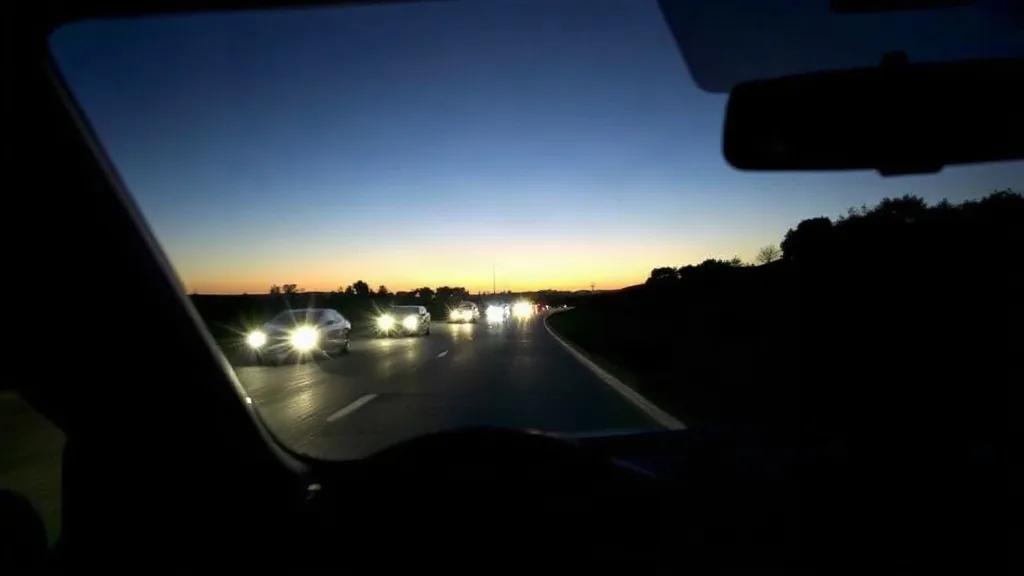
As the clocks go back this weekend, many of us will welcome the extra hour in bed. But for a significant number of motorists, the end of daylight saving time brings a less welcome change: darker evenings and the return of dazzling headlights. A new survey has found that one in four drivers affected by headlight glare plan to cut back on driving or stop altogether once the clocks change. The finding shines a light on a growing concern that goes beyond mere inconvenience—it's a safety issue that could keep vulnerable road users at home.
The Glare Problem: More Than Just Annoyance
Headlight glare is a common complaint among drivers, especially during the darker months. But the survey suggests it's having a tangible impact on driving habits. According to the findings, a quarter of those who experience glare say they will reduce their time behind the wheel or give up driving entirely after the clocks go back. This isn't just about discomfort; it's about confidence and safety.
So why are modern headlights so dazzling? The answer lies in a combination of technology and human factors. Many new cars come equipped with powerful LED or xenon headlights that emit a brighter, whiter light. While these improve visibility for the driver, they can be blinding for oncoming traffic, particularly on unlit roads. Add to that the prevalence of taller vehicles like SUVs, whose headlights sit higher and can shine directly into the eyes of drivers in lower cars, and you have a recipe for discomfort and danger.
Why the Clock Change Makes It Worse
The end of daylight saving time means sunset occurs earlier, often coinciding with the evening commute. Suddenly, drivers who have enjoyed months of daylight driving are thrust into darkness, and their eyes must adjust to the contrast between bright headlights and dark roads. This transition can be jarring, especially for older drivers whose eyes take longer to adapt.
Moreover, the psychological effect of shorter days can make some drivers more anxious about driving in the dark. The survey's finding that a quarter of affected drivers plan to cut back suggests that glare is not just a minor irritation but a significant deterrent. For those who rely on their cars for work, childcare, or social activities, this could lead to isolation and reduced independence.
The Safety Implications
When drivers reduce their time on the road due to glare, it's not just their own mobility that suffers. A reduction in driving can have broader safety implications. For instance, if experienced drivers stay home, there may be fewer cautious eyes on the road, potentially increasing risk for others. Additionally, those who continue to drive despite glare may be more prone to accidents because they are distracted or temporarily blinded.
Glare can cause momentary blindness, leaving drivers unable to see pedestrians, cyclists, or obstacles until it's too late. This is particularly dangerous on rural roads where street lighting is absent and recovery time is longer. The survey's results should serve as a wake-up call for policymakers and car manufacturers to address this issue head-on.
What Can Be Done?
While the problem may seem daunting, there are steps that drivers, manufacturers, and regulators can take to mitigate glare.
For Drivers
- Keep your windscreen clean: A dirty windscreen can scatter light and worsen glare. Regularly clean both inside and out.
- Adjust your mirrors: Use the anti-glare setting on your rear-view mirror, and ensure side mirrors are properly positioned.
- Consider anti-glare glasses: Specialized glasses with yellow or anti-reflective lenses can help reduce glare, especially at night.
- Avoid looking directly at oncoming headlights: Focus on the left edge of your lane (or right edge in countries that drive on the left) to maintain your course.
For Manufacturers
Car makers are already developing adaptive headlight systems that automatically dim or adjust the beam to avoid dazzling others. Matrix LED technology, for example, can selectively turn off parts of the beam to shield oncoming drivers. However, these systems are often optional and not universally available. Greater adoption and standardization could make a big difference.
For Regulators
Regulators can play a role by setting stricter standards for headlight brightness and beam patterns. Some countries have already introduced regulations to limit the intensity of headlights, but enforcement and harmonization across borders remain challenges. Public awareness campaigns about the dangers of glare and the importance of proper headlight maintenance could also help.
Looking Ahead
The survey's findings highlight a need for greater awareness and action. As we head into the darker months, drivers should be mindful of their own headlights and ensure they are correctly aimed and not unnecessarily bright. It's also a reminder to be considerate of others on the road—after all, we all share the same space.
For those who feel anxious about driving in the dark, there are alternatives: carpooling, public transport, or simply planning journeys to avoid peak darkness. But ultimately, the responsibility lies with all of us to make the roads safer for everyone.
Frequently Asked Questions
Why do headlights seem brighter now than in the past?
Modern headlights often use LED or xenon technology, which produces a brighter, whiter light compared to traditional halogen bulbs. Additionally, the increasing number of SUVs and taller vehicles means headlights are positioned higher, which can cause more glare for drivers in lower cars.
Is it safe to wear anti-glare glasses while driving at night?
Yes, anti-glare glasses with yellow or anti-reflective lenses can help reduce glare from headlights. However, it's essential to choose a pair that is specifically designed for night driving and does not impair your overall vision. Consult with an optometrist if you're unsure.
What should I do if I'm dazzled by oncoming headlights?
If you're dazzled, avoid looking directly at the headlights. Instead, look towards the left edge of your lane (or right edge in left-hand traffic) to guide your vehicle. Slow down and, if necessary, pull over safely until your vision clears.
Are there any regulations on headlight brightness?
Yes, many countries have regulations that limit the brightness and beam pattern of headlights. However, standards vary, and enforcement can be inconsistent. Some regions are moving towards stricter rules, but it's always wise to ensure your own headlights are properly adjusted and not causing unnecessary glare.
How can I reduce glare from my own headlights?
Ensure your headlights are correctly aimed. If you often carry heavy loads or have a modified suspension, you may need to adjust them. Also, keep your headlight lenses clean and consider using a professional service to check alignment.