
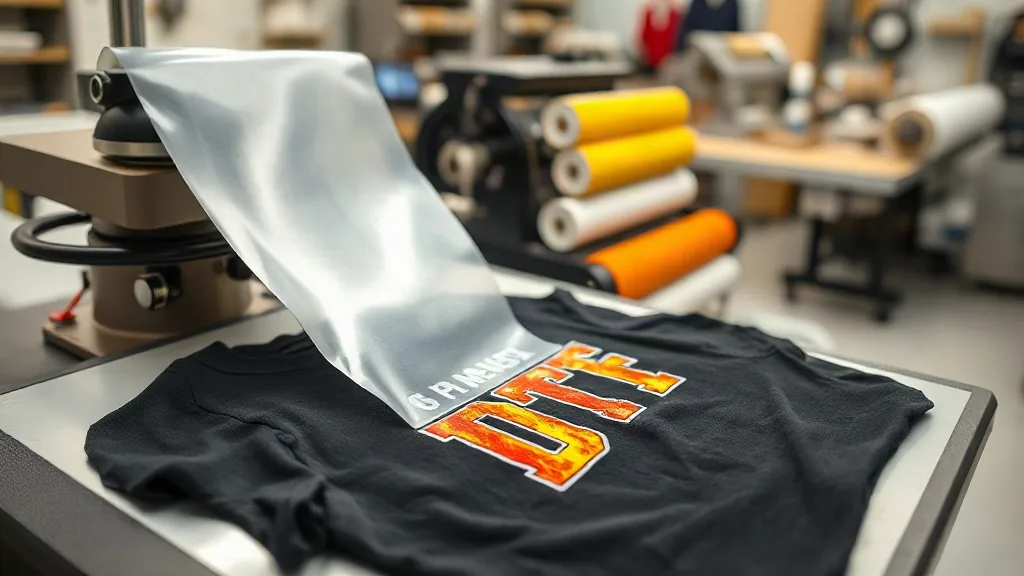
Custom apparel printing has evolved dramatically over the past decade, and one technology that has captured the attention of both hobbyists and professionals is dtf transfers. If you're new to the world of garment decoration, you might be wondering what DTF stands for, how it works, and why it's generating so much buzz. In this guide, we'll break down the essentials of DTF printing, explore its advantages, and help you find reliable sources for your projects.
What Are DTF Transfers?
DTF stands for Direct-to-Film. It's a printing method where designs are printed onto a special film, then coated with a powder adhesive and cured. The resulting transfer can be heat-pressed onto various fabrics, including cotton, polyester, and blends. Unlike DTG (Direct-to-Garment) printing, which requires pre-treatment and works best on cotton, DTF offers versatility and vibrant colors on a wide range of materials.
The process involves several steps: designing the artwork, printing it onto film using specialized dtf printers and inks, applying adhesive powder, and finally transferring the design onto the fabric with a heat press. This method has gained popularity because it eliminates the need for weeding (cutting away excess vinyl) and allows for intricate designs with fine details.
Why Choose DTF Transfers?
There are several compelling reasons to consider DTF transfers for your custom apparel needs. First, the color vibrancy is exceptional. DTF prints can reproduce a wide gamut of colors, including bright neons and subtle gradients, without the limitations of vinyl or screen printing. Second, DTF transfers are incredibly durable. When applied correctly, they withstand repeated washing without fading, cracking, or peeling, making them ideal for items that see heavy use.
Another key advantage is the ability to print on dark and light fabrics without the need for separate underbase or white ink layers. This simplifies the process and reduces costs. Additionally, DTF transfers are cost-effective for small to medium-sized orders. Unlike screen printing, which requires setup fees for each color, DTF has a low per-unit cost that remains consistent regardless of design complexity.
Versatility Across Fabrics
One of the standout features of DTF transfers is their compatibility with a wide range of fabrics. While DTG is limited to cotton-rich materials, DTF adheres well to polyester, nylon, canvas, and even leather. This makes it a go-to choice for printing on sportswear, tote bags, hats, and more. If you're looking to expand your product offerings, DTF opens up new possibilities.
How to Apply DTF Transfers
Applying DTF transfers is straightforward, but it requires attention to detail to ensure a professional finish. Here's a step-by-step guide:
- Preheat your heat press to the recommended temperature (usually around 300°F to 325°F).
- Place the garment on the press and pre-press for a few seconds to remove moisture and wrinkles.
- Position the transfer on the garment with the printed side facing up.
- Press with medium pressure for 10-15 seconds.
- Peel the film while it's still warm (or cold, depending on the film type).
- Post-press for a few seconds to ensure the design is fully bonded.
Always follow the specific instructions provided by your transfer supplier, as different films and adhesives may have unique requirements.
Finding DTF Transfers Near Me
If you're ready to try DTF transfers for your business or personal projects, you might be searching for dtf transfers near me. Local suppliers can be a great resource because they offer faster turnaround times and the ability to build a relationship with your provider. However, online suppliers often provide a wider selection and competitive pricing. When evaluating a supplier, consider the following:
- Print quality: Look for sharp details, vibrant colors, and consistent output.
- Durability: Read reviews or request samples to test wash fastness.
- Turnaround time: Ensure they can meet your deadlines.
- Customer service: Responsive support can save you from costly mistakes.
Whether you choose a local shop or an online retailer, always request samples before committing to a large order. This allows you to assess the quality firsthand and ensure compatibility with your heat press and fabrics.
Common Mistakes to Avoid with DTF Transfers
Even experienced printers can run into issues with DTF transfers. Here are some common pitfalls and how to avoid them:
- Insufficient pressure: If the pressure is too low, the transfer may not adhere properly, leading to peeling. Adjust your heat press to medium pressure and test.
- Incorrect temperature: Too hot and the film may scorch; too cold and the adhesive won't melt. Use a temperature gun to verify.
- Peeling at the wrong time: Some films require hot peel, others cold peel. Always check the manufacturer's instructions.
- Not pre-pressing: Moisture in the fabric can cause poor adhesion. Always pre-press to remove moisture.
By avoiding these mistakes, you'll achieve consistent, professional results that keep customers coming back.
DTF vs. Other Printing Methods
How does DTF stack up against other popular printing techniques? Let's compare:
- DTF vs. DTG: DTF works on more fabrics and doesn't require pre-treatment, but DTG can be more cost-effective for 100% cotton and large orders.
- DTF vs. Screen Printing: Screen printing is economical for large quantities of simple designs, but DTF wins for complex, multi-color designs and small batches.
- DTF vs. Vinyl: Vinyl requires weeding and is limited to simple shapes; DTF handles intricate details and gradients with ease.
Ultimately, the best method depends on your specific needs, fabric type, and order size.
Frequently Asked Questions
What is the difference between DTF and DTG printing?
DTF (Direct-to-Film) involves printing onto a film, applying adhesive powder, and heat-pressing onto fabric. DTG (Direct-to-Garment) prints directly onto the garment. DTF works on more fabrics and doesn't require pre-treatment, while DTG is often preferred for 100% cotton and large orders due to lower cost per unit.
Can I use DTF transfers on dark shirts?
Yes, DTF transfers work excellently on dark shirts. The white ink layer in DTF printing provides a bright base, ensuring colors pop on dark fabrics without the need for separate underbase screens.
How long do DTF transfers last?
When applied correctly, DTF transfers can last as long as the garment itself. They are highly durable and resistant to cracking, fading, and peeling, even after multiple washes.
Do I need a special printer for DTF?
Yes, DTF printing requires a printer that uses DTF inks and a film feeding system. However, you can buy pre-printed transfers from suppliers if you don't want to invest in a printer.
Where can I find DTF transfers near me?
You can search online for local suppliers or use directories to find DTF transfer services in your area. Many online retailers also offer fast shipping, so you can get high-quality transfers delivered to your door.
Conclusion
DTF transfers have revolutionized the custom apparel industry by offering versatility, durability, and vibrant colors on a wide range of fabrics. Whether you're a small business owner looking to expand your product line or a hobbyist wanting to create personalized gifts, DTF is a technique worth exploring. By understanding the process, avoiding common mistakes, and sourcing quality transfers, you'll be well on your way to producing stunning, long-lasting garments. So why not give DTF a try? Your customers will thank you.