
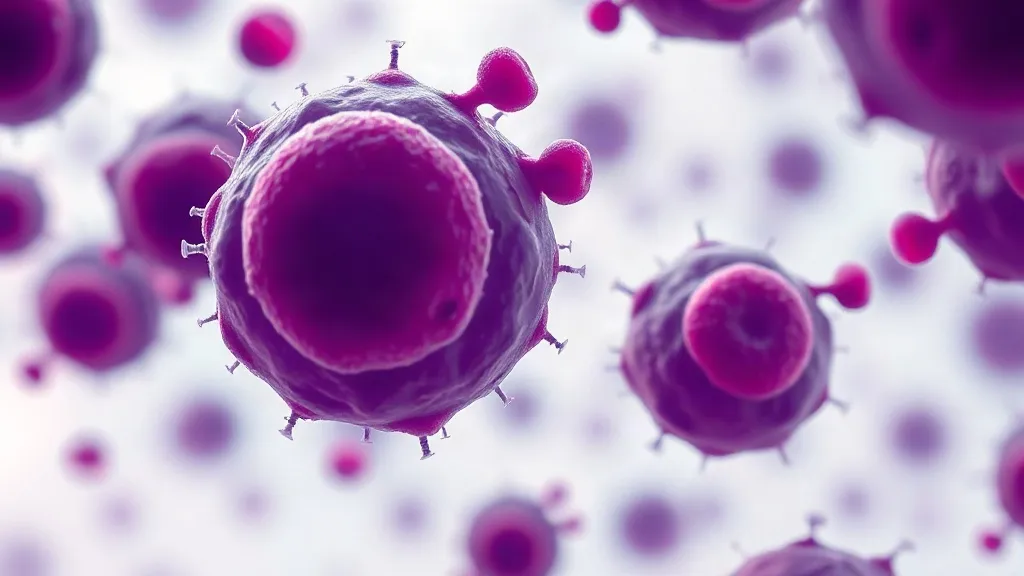
In the fight against cancer, size often matters—but not in the way you might expect. A new study has found that unusually small cancer cells that carry an abnormal number of chromosomes can be far more aggressive than their larger counterparts. These miniature cells grow faster, spread more easily, and resist common treatments, potentially explaining why some tumors are particularly dangerous.
The research, published in a leading scientific journal, sheds light on a long-standing mystery: why do some cancers progress rapidly despite treatment, while others remain manageable? The answer may lie in the chromosomal chaos within individual cancer cells, and in their size.
The Chromosomal Connection
Most human cells have 46 chromosomes, but cancer cells often have more or fewer. This condition, called aneuploidy, is a hallmark of many cancers. What the new study reveals is that aneuploidy doesn't just affect a cell's genetic makeup—it also influences its physical size and behavior.
Researchers discovered that cancer cells with extra chromosomes tend to be smaller than those with a normal chromosome count. These smaller cells are not just a curiosity; they are more aggressive, growing rapidly and metastasizing to other parts of the body. They also show increased resistance to chemotherapy and radiation, making them harder to kill.
"It's counterintuitive," said one of the study's authors. "You'd think smaller cells would be weaker, but in this case, they are actually more fit for survival and spread."
Why Size Matters
Cell size is determined by a complex interplay of factors, including the number of chromosomes. When a cell has extra chromosomes, it must produce more proteins and manage more genetic material, which can put stress on the cell. To cope, the cell may shrink in size. But this adaptation comes with a dark side: the smaller size allows the cell to squeeze through tight spaces more easily, facilitating metastasis.
Moreover, the extra chromosomes often carry genes that promote cell division and survival. When these genes are overexpressed, the cell becomes a relentless proliferator. The smaller size may also make the cell more efficient at nutrient uptake, giving it a growth advantage in the crowded tumor environment.
Implications for Cancer Treatment
The finding could have profound implications for how we treat cancer. Currently, treatment decisions are largely based on tumor type, stage, and genetic mutations. But this study suggests that cell size and chromosome count could serve as new biomarkers to predict how aggressive a cancer is likely to be.
For patients, this could mean more personalized treatment plans. If a biopsy reveals a high proportion of small, aneuploid cells, doctors might opt for more aggressive therapies upfront or monitor the patient more closely for recurrence. It could also spur the development of drugs that specifically target these resilient cells.
"We're just scratching the surface," said another researcher involved in the study. "If we can understand the vulnerabilities of these small cells, we might be able to design therapies that exploit them."
Challenges and Next Steps
However, translating this discovery into clinical practice will take time. The study was conducted in laboratory settings and with animal models, so it remains to be seen whether the same holds true in human patients. Clinical trials will be needed to validate the findings and to develop reliable tests for cell size and chromosome content.
There are also technical hurdles. Measuring cell size and chromosome number in a clinical setting is not yet routine. Current pathology techniques focus on tissue structure and molecular markers, not on the physical dimensions of individual cells. New imaging and sequencing technologies may be required to make this practical.
Despite these challenges, the potential is huge. Cancer remains one of the leading causes of death worldwide, and any new insight into its behavior is welcome. This study adds a new dimension to our understanding of cancer biology, reminding us that even the smallest details can have big consequences.
What This Means for Patients and Doctors
For now, patients should not expect immediate changes in their care. But the study reinforces the importance of ongoing research and the need for personalized approaches. It also highlights the value of tumor profiling beyond just genetic mutations—looking at chromosomal instability and cell morphology could provide a more complete picture.
Doctors, too, should stay informed about these emerging biomarkers. As the field moves toward precision medicine, integrating such findings will become increasingly important. While we are not there yet, the day may come when a simple measurement of cancer cell size helps guide treatment decisions.
The Bigger Picture
This discovery also raises intriguing questions about the nature of cancer. Why do some cells tolerate extra chromosomes while others do not? How does aneuploidy drive evolution within a tumor? And can we exploit the weaknesses of these cells without harming normal tissues? These are the questions that will occupy researchers for years to come.
One thing is clear: cancer is a wily adversary, and it often defies our expectations. The finding that smaller cells are more dangerous is a perfect example. It serves as a reminder that in biology, simple assumptions can be misleading, and that we must remain open to surprises.
Frequently Asked Questions
What exactly are aneuploid cancer cells?
Aneuploid cells have an abnormal number of chromosomes—either more or fewer than the usual 46 in humans. This condition is common in cancer and can lead to genetic instability, which drives tumor progression.
How common are these small, aggressive cells in cancer?
The prevalence varies by cancer type. Some tumors, such as certain leukemias and solid tumors, have high rates of aneuploidy. The study suggests that within a tumor, there may be a subpopulation of small aneuploid cells that are particularly aggressive.
Could this lead to new treatments?
Yes, it could. By identifying the specific vulnerabilities of these cells, researchers may develop drugs that target them. For example, if the cells rely heavily on a particular metabolic pathway, that pathway could be blocked.
What should patients take away from this study?
Patients should know that cancer research is constantly advancing. While this finding is not yet ready for the clinic, it represents progress toward more personalized and effective treatments. It's always a good idea to discuss the latest research with your oncologist.
Is there anything I can do to reduce my risk of aggressive cancer?
While you can't control the genetics of your cancer cells, lifestyle factors such as not smoking, maintaining a healthy weight, and getting regular screenings can help reduce the risk of developing cancer or catching it early, when it's most treatable.