
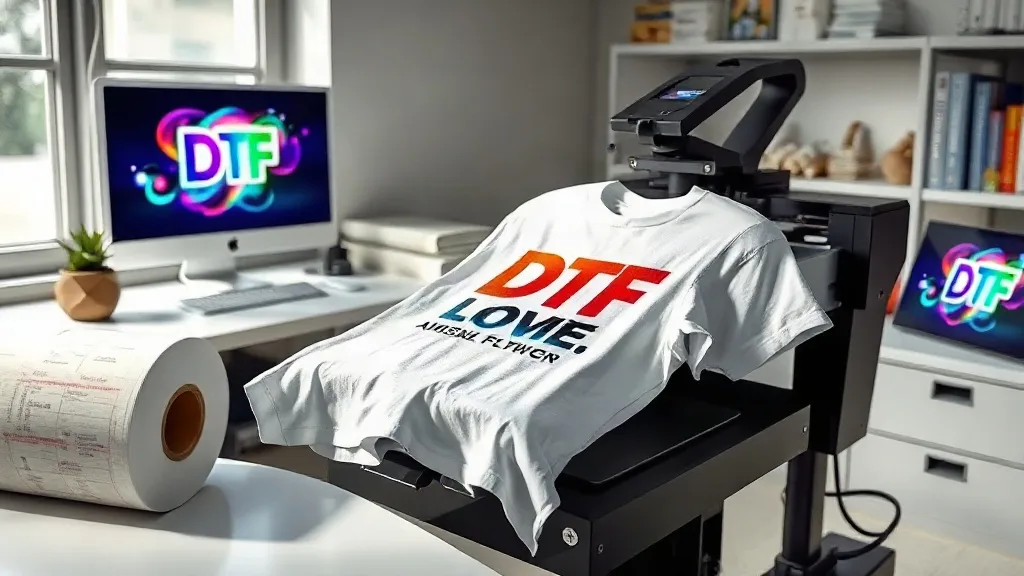
If you've been in the custom apparel game for any length of time, you know that choosing the right printing method can make or break your business. Enter dtf printing, a technology that's quickly become the go-to solution for creators who demand versatility, durability, and stunning color reproduction. Unlike traditional methods that limit you to certain fabrics or require minimum orders, DTF transfers open up a world of possibilities. Whether you're a solo entrepreneur printing on demand or a large-scale operation churning out thousands of shirts, understanding DTF technology is essential. In this guide, we'll dive deep into what DTF transfers are, how they work, and why they might just be the missing piece in your production puzzle.
What Are DTF Transfers?
DTF transfers are a type of heat-applied graphic produced through a digital printing process. The acronym stands for Direct-to-Film, which hints at the method: designs are printed onto a special PET film using water-based pigments, then coated with a hot-melt adhesive powder. Once the print is cured, it can be stored and later applied to garments using a heat press. The result is a soft, stretchable, and incredibly durable transfer that bonds permanently to the fabric.
What sets DTF apart from other transfer methods like vinyl or screen-printed transfers is its ability to reproduce full-color, photographic-quality images without the need for color separation or multiple screens. This means you can print complex gradients, fine details, and even photographs with ease. Plus, because the adhesive is applied separately, DTF transfers work on a wide range of materials, including cotton, polyester, blends, and even nylon.
How DTF Transfers Work: A Step-by-Step Breakdown
Understanding the DTF process helps you appreciate its flexibility and troubleshoot any issues that arise. Here's what happens from digital file to finished garment.
1. Design Preparation
Everything starts with a digital design. You'll need to prepare your artwork in a graphics program, ensuring it's in CMYK color mode and at a resolution of at least 300 DPI for crisp output. Unlike screen printing, there's no need to limit your color palette—DTF printers use a full CMYK+White ink set, so you can go wild with colors.
2. Printing onto Film
The design is printed onto a sheet of PET film. The printer lays down a layer of white ink first (if your design requires it), followed by the CMYK colors. The white ink acts as a base, ensuring that colors pop even on dark fabrics. This is a crucial advantage over DTG (Direct-to-Garment) printing, where white ink can be tricky to handle.
3. Powder Application
While the ink is still wet, a hot-melt adhesive powder is sprinkled evenly over the print. The excess powder is then shaken off, leaving a thin layer adhered to the ink. This powder is what will bond the transfer to the fabric during heat pressing.
4. Curing
The film with the powdered design goes through a curing oven or under a heat gun to melt the powder and set the ink. Proper curing is critical—under-cured transfers will crack or peel, while over-curing can make the adhesive too brittle. Most manufacturers recommend curing at around 160°C (320°F) for a few minutes.
5. Heat Pressing
Once cured, the transfer is ready to be applied. You'll use a heat press set to about 160°C (320°F) with medium pressure for 10-15 seconds. After pressing, allow the garment to cool completely before peeling off the film. The result is a vibrant, stretchable graphic that feels like part of the fabric.
Why Choose DTF Transfers Over Other Methods?
With so many printing options out there, you might wonder what makes DTF stand out. Here are the key benefits that have made it a favorite among apparel decorators.
- Unmatched Versatility: DTF transfers adhere to almost any fabric, including cotton, polyester, blends, leather, and even wood. This eliminates the need to stock multiple transfer types for different materials.
- No Color Limitations: Since DTF uses CMYK+White inks, you can print full-color images without worrying about color separation or screen counts. This is a game-changer for small businesses that can't afford the setup costs of screen printing.
- Durability: When applied correctly, DTF transfers withstand repeated washing without fading, cracking, or peeling. They're also stretchable, making them ideal for performance wear and athletic gear.
- Cost-Effective for Short Runs: Unlike screen printing, which requires minimum orders and setup fees, DTF is economical for one-off items or small batches. You only pay for what you need.
- Quick Turnaround: The digital nature of DTF means you can go from design to finished product in minutes, making it perfect for on-demand production and last-minute orders.
Applications of DTF Transfers
The versatility of DTF transfers means they're used in a wide range of industries and applications. Here are some of the most common uses.
Custom T-Shirts and Apparel
This is the most obvious application. DTF transfers are perfect for creating custom t-shirts, hoodies, and tank tops. Whether you're printing a single shirt for a customer or a batch for a team, DTF delivers professional results.
Sportswear and Activewear
Because DTF transfers are stretchable and durable, they're ideal for sportswear. They can withstand the rigors of athletic activity and frequent washing without losing their appearance.
Promotional Products
Businesses love DTF for promotional items like tote bags, caps, and uniforms. The ability to print full-color logos on various materials makes it a versatile tool for branding.
Home Decor and Accessories
DTF isn't just for apparel. You can apply transfers to pillowcases, aprons, and even canvas shoes. The possibilities are endless.
Getting Started with DTF Transfers
Ready to dive into DTF printing? Here's what you need to know to get started on the right foot.
Equipment and Supplies
To produce DTF transfers in-house, you'll need a DTF printer, PET film, hot-melt adhesive powder, and a heat press. DTF printers are available in various sizes and price points, from entry-level desktop models to industrial machines. If you're not ready to invest in a printer, you can also buy pre-made DTF transfers from suppliers.
Choosing the Right Film and Powder
Not all films and powders are created equal. Look for high-quality PET film that can withstand the heat of the curing process without warping. The adhesive powder should have a low melting point and provide a strong bond. It's worth testing a few brands to see what works best with your printer and fabrics.
Perfecting Your Heat Press Settings
Each heat press is different, so you'll need to experiment to find the optimal settings. Start with 160°C (320°F) for 15 seconds at medium pressure. Adjust as needed based on the fabric and transfer size. Always perform a peel test after cooling to ensure the transfer has adhered properly.
Common Mistakes to Avoid
Even seasoned pros can run into issues with DTF transfers. Here are some pitfalls to watch out for.
- Insufficient Curing: If the powder isn't fully melted, the transfer won't bond correctly. Invest in a good curing oven or use a heat gun with a temperature gauge.
- Wrong Pressure: Too little pressure and the transfer won't adhere; too much and the adhesive can spread, causing a mess. Find the sweet spot for your press.
- Skipping the Cooling Step: Peeling the film while it's still hot can distort the design. Patience is key.
- Using the Wrong Fabric: While DTF works on many materials, some fabrics with heavy coatings or finishes may require special handling. Always test on a swatch first.
Frequently Asked Questions About DTF Transfers
What is the difference between DTF and DTG printing?
DTF (Direct-to-Film) involves printing onto a film and then transferring to the garment, while DTG (Direct-to-Garment) prints directly onto the fabric. DTF is more versatile because it works on a wider range of fabrics and doesn't require pre-treatment. DTG is typically limited to cotton and requires a pre-treatment step for best results.
How long do DTF transfers last?
When applied correctly and cared for properly, DTF transfers can last as long as the garment itself. They are highly durable and resistant to cracking, fading, and peeling. To maximize longevity, wash garments inside out in cold water and avoid using bleach or fabric softeners.
Can I use DTF transfers on dark colors?
Absolutely. DTF transfers are particularly effective on dark fabrics because the white ink base ensures that colors remain vibrant and opaque. This is a major advantage over other methods that may require multiple layers or special inks for dark garments.
Do I need a special printer for DTF?
Yes, you need a DTF printer that uses water-based pigment inks and has a white ink channel. However, if you don't want to invest in a printer, you can purchase ready-to-press DTF transfers from suppliers and apply them with a standard heat press.
How do I store DTF transfers?
Store unused DTF transfers in a cool, dry place away from direct sunlight. Keep them flat or rolled to prevent creasing. Properly stored transfers can last for several months without losing their adhesive properties.
Final Thoughts
DTF transfers have truly transformed the custom apparel industry, offering a level of flexibility and quality that was previously hard to achieve. Whether you're a small business owner looking to expand your product offerings or a hobbyist wanting to create professional-grade shirts, DTF is a worthy investment. With its ability to print on virtually any fabric, reproduce intricate designs, and withstand the test of time, it's no wonder that DTF transfers are becoming the standard for on-demand printing. So why not give it a try? Your customers will thank you.