
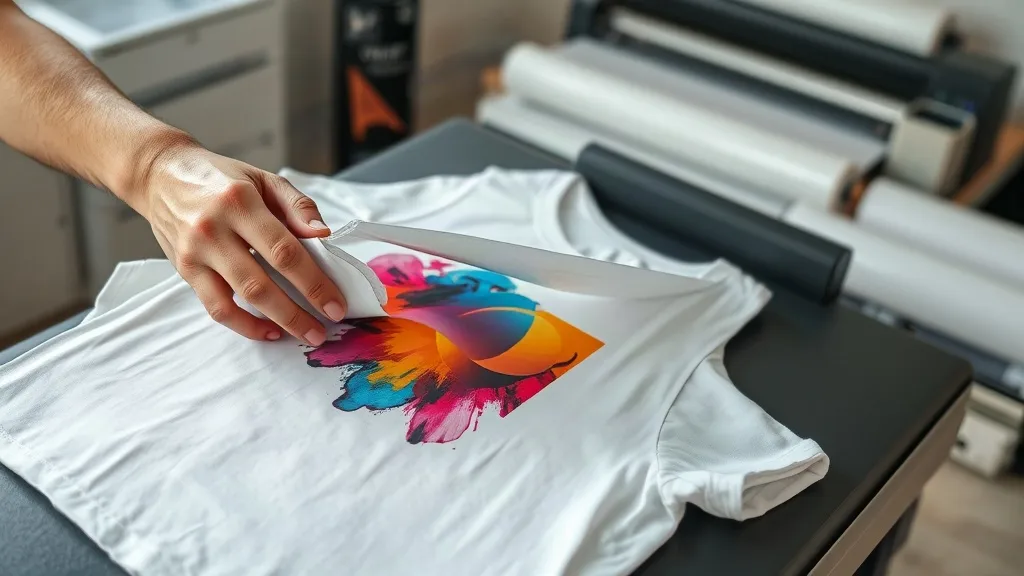
Imagine pressing a button and watching a vibrant, full-color design emerge onto a t-shirt in minutes. That's the magic of dtf printing, a technology that's quickly becoming the go-to method for custom apparel creators. Whether you're a small business owner, a hobbyist, or a professional printer, understanding dtf transfers can open up a world of possibilities. In this guide, we'll dive deep into what DTF is, why it's gaining popularity, and how you can use it to create stunning, long-lasting garments.
What Are DTF Transfers?
DTF stands for Direct to Film. It's a printing process where your design is printed onto a special film, coated with a powder adhesive, and then heat-pressed onto fabric. Unlike DTG (Direct to Garment) or screen printing, DTF doesn't require pre-treatment or specialized inks for different fabrics. The result is a soft, stretchable print that adheres to cotton, polyester, blends, and even nylon. The technology has evolved rapidly, and today's dtf transfers are known for their exceptional detail and color vibrancy.
How Does the DTF Process Work?
The DTF workflow is surprisingly straightforward. First, you print your design onto a PET film using a DTF printer with special inks. Then, you apply a hot-melt powder to the wet ink, shake off the excess, and cure the powder with heat. Finally, you place the film onto your garment and press it with a heat press. Once cooled, you peel off the film, leaving a vibrant, durable print. This method eliminates the need for weeding or layering, making it faster and more efficient than vinyl cutting.
Why Choose DTF Transfers for Custom Apparel?
There are several compelling reasons why DTF has become a favorite among apparel decorators. Let's explore the key benefits.
1. Unmatched Versatility
DTF transfers work on a wide range of fabrics, including 100% cotton, poly-cotton blends, 100% polyester, and even leather. This versatility means you can decorate almost any garment without switching techniques. Whether you're printing on a lightweight performance tee or a heavy canvas jacket, DTF delivers consistent results.
2. Vibrant Colors and Fine Details
Because DTF uses CMYK plus white ink, it can reproduce photographic images, gradients, and fine lines with impressive accuracy. The white ink layer acts as a base, making colors pop even on dark fabrics. This is a significant advantage over DTG, which often struggles with white ink on dark shirts.
3. Durability and Washability
When applied correctly, DTF prints are highly durable. They resist cracking, peeling, and fading even after multiple washes. The key is proper application: using the right temperature, pressure, and time. We'll cover that later. For now, know that DTF can withstand the rigors of daily wear.
4. Cost-Effective for Small and Large Runs
Unlike screen printing, which requires separate screens for each color, DTF has no setup costs per color. This makes it ideal for small batches and one-off designs. For larger runs, the cost per print decreases as you optimize your workflow. Plus, you can gang multiple designs on a single film to save time and materials.
5. No Weeding or Layering
If you've ever worked with heat transfer vinyl (HTV), you know the pain of weeding tiny details. DTF eliminates that entirely. You simply print, powder, cure, and press. This saves hours of labor and reduces waste.
DTF vs. Other Printing Methods
How does DTF stack up against DTG, screen printing, and sublimation? Let's compare.
DTF vs. DTG
DTG prints directly onto the garment, which can be limiting for dark colors and certain fabrics. DTF, on the other hand, works on almost any fabric and produces more vibrant colors on dark garments. DTF also tends to be more durable and stretchable.
DTF vs. Screen Printing
Screen printing is cost-effective for large orders of simple designs, but it requires setup and is impractical for complex, multi-color images. DTF shines for detailed, full-color designs and small runs. However, for very large orders of one design, screen printing may still be more economical.
DTF vs. Sublimation
Sublimation only works on polyester and requires a light-colored substrate. DTF works on cotton and blends, and can be applied to dark fabrics. Sublimation dyes the fabric, while DTF sits on top, but modern DTF prints are thin and soft.
How to Apply DTF Transfers: Step-by-Step
Getting a perfect DTF transfer requires attention to detail. Here's a step-by-step guide to ensure success.
Step 1: Prepare Your Heat Press
Set your heat press to the recommended temperature, usually between 300°F and 325°F (150°C to 160°C). Pre-press the garment for a few seconds to remove moisture and wrinkles.
Step 2: Position the Transfer
Place the DTF film onto the garment with the printed side facing up. If your design is directional, make sure it's oriented correctly.
Step 3: Press
Apply medium to firm pressure for 10-15 seconds. The exact time depends on your press and the film manufacturer's instructions. Always test with a sample first.
Step 4: Peel
DTF transfers can be peeled hot or cold, but cold peel is more common. Wait a few seconds for the film to cool slightly, then peel it off in a smooth, continuous motion. If any part of the design lifts, press again for a few seconds.
Step 5: Post-Press (Optional)
For added durability, you can cover the print with parchment paper and press for another 5-10 seconds. This helps the adhesive fully bond with the fabric.
Common Mistakes to Avoid
Even experienced printers can run into issues. Here are some pitfalls to watch out for.
- Insufficient pressure: If the pressure is too light, the transfer won't adhere properly. Increase pressure and test again.
- Wrong temperature: Too hot and the film may melt or the ink may scorch; too cold and the adhesive won't activate. Use a heat gun or infrared thermometer to verify.
- Not pre-pressing: Moisture in the fabric can cause poor adhesion. Always pre-press.
- Peeling too soon or too late: Follow the film's instructions for hot vs. cold peel. Peeling at the wrong time can distort the print.
- Using the wrong powder: Not all hot-melt powders are created equal. Use a high-quality powder designed for DTF.
Choosing the Right DTF Supplies
The quality of your supplies directly impacts your results. Here's what to look for.
DTF Printer
You can modify an existing printer or buy a dedicated DTF printer. Dedicated models from brands like Epson, Mutoh, and Roland are popular. Consider your budget and production volume.
DTF Inks
Use pigment-based inks specifically formulated for DTF. They should be compatible with your printer's printhead.
DTF Film
Choose a film that matches your printer and application. There are films for standard designs, fine details, and stretchy fabrics.
Hot-Melt Powder
This is the adhesive that bonds the ink to the fabric. It comes in different particle sizes; finer powders are better for detailed designs.
DTF Transfers for Business: Tips for Success
If you're using DTF for commercial purposes, here are some tips to streamline your operations.
- Standardize your process: Create a checklist for each step and train your team.
- Invest in a quality heat press: A reliable press with even pressure and accurate temperature control is essential.
- Offer samples: Let customers feel the quality before committing to a large order.
- Promote your capabilities: Highlight that you can print on any fabric with vibrant colors.
- Keep up with trends: DTF technology is evolving; stay informed about new films, powders, and techniques.
Frequently Asked Questions
How long do DTF transfers last?
With proper application and care, DTF transfers can last as long as the garment itself. They withstand dozens of washes without fading or cracking. To maximize longevity, wash inside out in cold water and avoid ironing directly on the print.
Can I use DTF transfers on dark colors?
Absolutely! DTF is excellent for dark fabrics because the white ink layer provides a bright base. The colors remain vibrant and opaque.
Do I need a special printer for DTF?
You can use a dedicated DTF printer or convert a standard inkjet printer with DTF inks and a film tray. However, dedicated printers are recommended for consistent results and less maintenance.
What fabrics work best with DTF?
DTF works on cotton, polyester, blends, nylon, leather, and more. It's one of the most versatile printing methods available.
Is DTF transfers cost-effective for small orders?
Yes, DTF is very cost-effective for small orders because there are no setup fees or minimums. You can print one or one hundred with the same ease.
DTF transfers are transforming the custom apparel industry by combining versatility, vibrancy, and durability. Whether you're a seasoned pro or just starting, embracing dtf transfers can elevate your creations and streamline your workflow. With the right supplies and techniques, you'll be producing stunning garments in no time.