
When I first started experimenting with custom apparel, I struggled to find a printing method that could handle intricate designs on dark fabrics without cracking or fading. That's when a friend introduced me to DTF, and it completely changed my approach. If you're new to the world of garment decoration or looking to upgrade your production line, understanding DTF transfers is essential. This guide will walk you through what they are, how to use them, and where to find quality DTF transfers near me.
What Are DTF Transfers?
DTF stands for "Direct to Film," a printing process where designs are printed onto a special film and then transferred onto fabric using heat and pressure. Unlike traditional methods like screen printing or heat transfer vinyl, DTF doesn't require weeding or color separation. The design is printed in full color, including gradients and fine details, with a white underbase for opacity on dark garments.
The process involves printing the design onto a PET film with a DTF printer, applying a hot-melt adhesive powder, and curing it. Once cured, the transfer is ready to be heat-pressed onto almost any fabric, including cotton, polyester, blends, and even some non-textile surfaces like leather or wood. This versatility makes DTF transfers a favorite among small businesses and hobbyists.
How DTF Transfers Work: Step by Step
Let me break down the process so you can understand exactly what goes into creating a DTF transfer. First, a design is created digitally using software like Adobe Illustrator or CorelDRAW. The design is then printed onto a film using a DTF printer, which typically uses CMYK inks plus white. The white ink is printed as a base layer to ensure colors pop on dark fabrics.
After printing, a fine adhesive powder is evenly applied to the wet ink. The film is then shaken to remove excess powder and heated to cure the adhesive. This step is crucial because improper curing can lead to poor adhesion or a rough finish. Once cured, the transfer is ready for application.
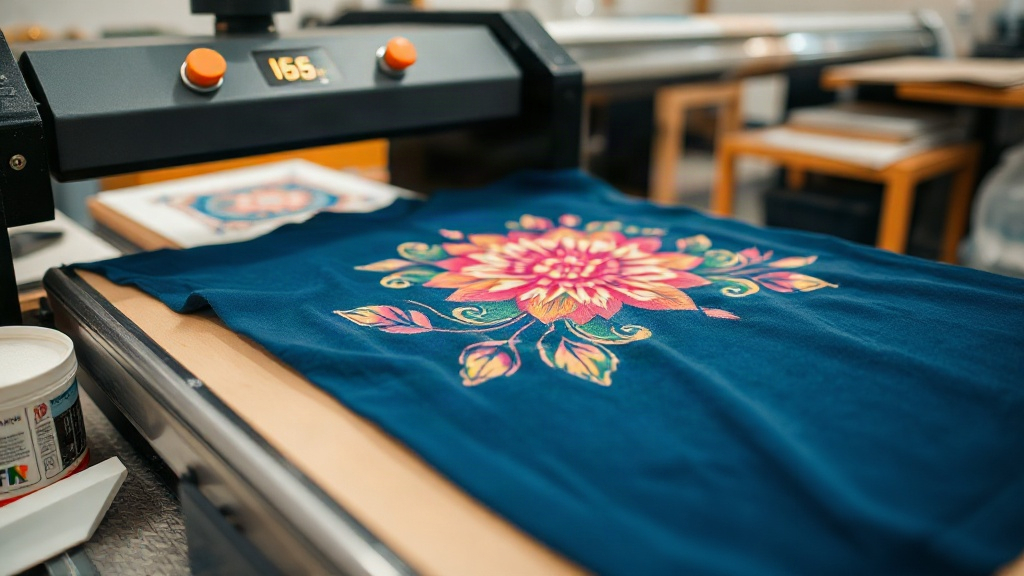
To apply the transfer, place it onto the garment with the printed side facing down. Use a heat press set to around 160-170°C (320-338°F) with medium to firm pressure for 10-15 seconds. After pressing, allow the transfer to cool slightly before peeling the film. The result is a vibrant, durable print that can withstand multiple washes.
Why Choose DTF Transfers?
There are several reasons why DTF transfers have gained popularity. For one, they offer excellent color vibrancy and detail. Because the design is printed digitally, you can achieve photorealistic images and complex gradients that would be difficult or expensive with other methods.
Another advantage is the durability. DTF prints are known for their stretchability and resistance to cracking, even on fabrics like spandex or polyester. This makes them ideal for sportswear, activewear, and other high-stretch applications. Additionally, DTF transfers can be applied to a wide range of materials, not just textiles.
Cost-effectiveness is another plus. For small runs or one-off custom orders, DTF eliminates the need for screens and setup fees associated with screen printing. You can print exactly what you need, reducing waste and inventory costs. This flexibility is a game-changer for print-on-demand businesses.
Common Applications for DTF Transfers
DTF transfers are used in various industries. In fashion, they are perfect for custom t-shirts, hoodies, and tote bags. In the promotional products sector, they can be applied to caps, aprons, and even face masks. Sports teams use DTF for jerseys and training gear because of the stretch and durability. Even home decor items like cushions and canvas bags can be customized with DTF.
One of my favorite applications is creating personalized gifts. With DTF, you can print family photos, pet portraits, or custom slogans onto shirts or pillows. The ability to print white ink means you can work on dark backgrounds without losing detail.
Finding Reliable DTF Transfers Near Me
If you're not ready to invest in your own DTF printer, you can order custom DTF transfers near me from local or online suppliers. Many companies offer gang sheets, which allow you to combine multiple designs on one sheet to save money. When searching for a supplier, consider the following factors:
- Quality of prints: Look for samples or reviews that show sharp details and accurate colors. A good supplier will use high-quality inks and films.
- Turnaround time: Depending on your needs, you may require fast shipping. Some suppliers offer same-day or next-day production.
- Customer support: A reliable company will answer your questions about file preparation, sizing, and application instructions.
- Pricing: Compare prices per square inch or per sheet. Be wary of extremely low prices that may indicate inferior materials.
I've ordered from several online DTF suppliers, and the experience varies. One supplier sent transfers that peeled after a few washes because the adhesive wasn't cured properly. Another supplier produced excellent results but had a longer turnaround. Reading reviews and asking for samples can save you from costly mistakes.
If you prefer local, search for "DTF transfers near me" on Google Maps. Local print shops often offer pickup options, which can be convenient for urgent orders. You can also visit their facility to see samples in person and discuss your project.
DIY DTF Printing: Is It Worth It?
For those considering in-house production, investing in a DTF printer can be profitable if you have consistent volume. Entry-level DTF printers start around $2,000, but you'll also need a heat press, curing oven or heat gun, and consumables like films, inks, and powder. The learning curve is moderate, but with practice, you can achieve professional results.
One common mistake beginners make is improper powder application. Too much powder results in a thick, rubbery feel, while too little leads to poor adhesion. The key is to apply a thin, even layer and ensure complete curing. I recommend starting with a small test run before scaling up.
Another consideration is maintenance. DTF printers require regular cleaning to prevent clogged print heads, especially with white ink. If you're not comfortable with technical upkeep, outsourcing to a supplier might be a better option.
Tips for Getting the Best Results with DTF Transfers
Whether you're using a supplier or printing in-house, these tips will help you achieve high-quality results:
- Prepare your artwork correctly: Use high-resolution images (at least 300 DPI) and convert text to outlines. Ensure your design has a transparent background before uploading.
- Choose the right garment: DTF works on most fabrics, but results may vary on very textured surfaces like terry cloth. Smooth, tightly woven fabrics give the best finish.
- Follow pressing instructions: Always use a heat press, not a household iron. The consistent temperature and pressure are essential for proper adhesion.
- Test wash durability: Before committing to a large order, do a wash test on a sample. This will reveal any issues with curing or adhesion.
- Store transfers properly: Keep unused transfers in a cool, dry place away from direct sunlight. Humidity can affect the adhesive powder.
I once made the mistake of using a low-quality transfer on a polyester shirt, and the design started peeling after the first wash. It turned out the supplier used a powder that wasn't compatible with synthetic fabrics. Always specify the fabric type when ordering to ensure the right adhesive is used.
Troubleshooting Common DTF Issues
Even with careful preparation, issues can arise. Here are some common problems and how to fix them:
- Design peeling off: This usually indicates under-curing or insufficient pressure. Re-press with higher temperature and pressure, or check if the adhesive was fully cured before application.
- Washed-out colors: If colors appear dull after washing, the white underbase may be too thin. Request a thicker white layer from your supplier or adjust printer settings.
- Rough or gritty feel: Excess powder can cause a rough texture. Make sure to shake off excess powder before curing and avoid applying powder to areas without ink.
- Film sticking to the design: This can happen if you peel the film too early. Allow the transfer to cool slightly before peeling, or use a cold peel film.
By understanding these issues, you can avoid costly mistakes and produce professional-quality products consistently.
Comparing DTF with Other Printing Methods
To help you decide if DTF transfers are right for you, here's a quick comparison with other popular methods:
- Screen printing: Best for large orders due to low per-unit cost, but high setup fees and limited color complexity. DTF is better for small runs and detailed designs.
- Heat transfer vinyl (HTV): Good for simple designs with few colors, but weeding is time-consuming and it's not suitable for photorealistic images. DTF offers full-color printing without weeding.
- Sublimation: Excellent for polyester fabrics with vibrant, permanent results, but it doesn't work on cotton or dark colors. DTF works on almost any fabric and color.
- Direct to garment (DTG): Similar to DTF but prints directly onto the garment. DTG is limited to cotton and requires pre-treatment for dark fabrics. DTF is more versatile across materials.
Each method has its place, but DTF offers a unique combination of versatility, quality, and cost-effectiveness that appeals to many businesses.
Where to Buy DTF Transfers Online
If you decide to order online, here are some reputable platforms:
- Ninja Transfers: Known for high-quality gang sheets and fast shipping. They offer a wide range of sizes and have excellent customer reviews.
- DTF Superstore: Offers custom transfers with no minimum order and competitive pricing. They also provide design services if you need help.
- Joto Imaging: A well-established supplier with a large selection of ready-to-press transfers. They also sell DTF printers and supplies.
- Etsy: Many small businesses sell custom DTF transfers on Etsy. This can be a good option for unique designs or personalized service.
Remember to check reviews and ask for samples before placing a large order. Quality can vary significantly between suppliers.
Conclusion
DTF transfers have revolutionized the custom printing industry with their versatility, durability, and ease of use. Whether you're a hobbyist creating gifts or a business owner fulfilling orders, understanding the DTF process can help you achieve professional results. By following the tips in this guide and choosing reliable suppliers, you can avoid common pitfalls and produce stunning prints that last. If you're ready to try DTF, start by searching for "DTF transfers near me" or explore online options. With a little practice, you'll be creating custom apparel that stands out.
Frequently Asked Questions
What does DTF stand for in printing?
DTF stands for "Direct to Film." It is a printing method where designs are printed onto a special film and then transferred to fabric using heat and pressure. This process allows for full-color, detailed prints on various materials.
Are DTF transfers durable?
Yes, when properly applied, DTF transfers are highly durable. They can withstand multiple washes without cracking or fading, especially if you follow the correct temperature and pressure settings and use high-quality materials.
Can I use DTF transfers on dark fabrics?
Absolutely. DTF transfers include a white underbase that ensures colors remain vibrant on dark fabrics. This makes them ideal for printing on black, navy, or other dark-colored garments.
How do I find DTF transfers near me?
You can search online for "DTF transfers near me" to find local print shops that offer DTF services. Alternatively, many online suppliers ship nationwide and offer fast turnaround times, so location may not be a limiting factor.
What is the difference between DTF and DTG printing?
DTF prints onto a film and then transfers to the garment, while DTG prints directly onto the fabric. DTF is more versatile across different materials and doesn't require pre-treatment for dark fabrics, whereas DTG is typically limited to cotton and requires pre-treatment.