
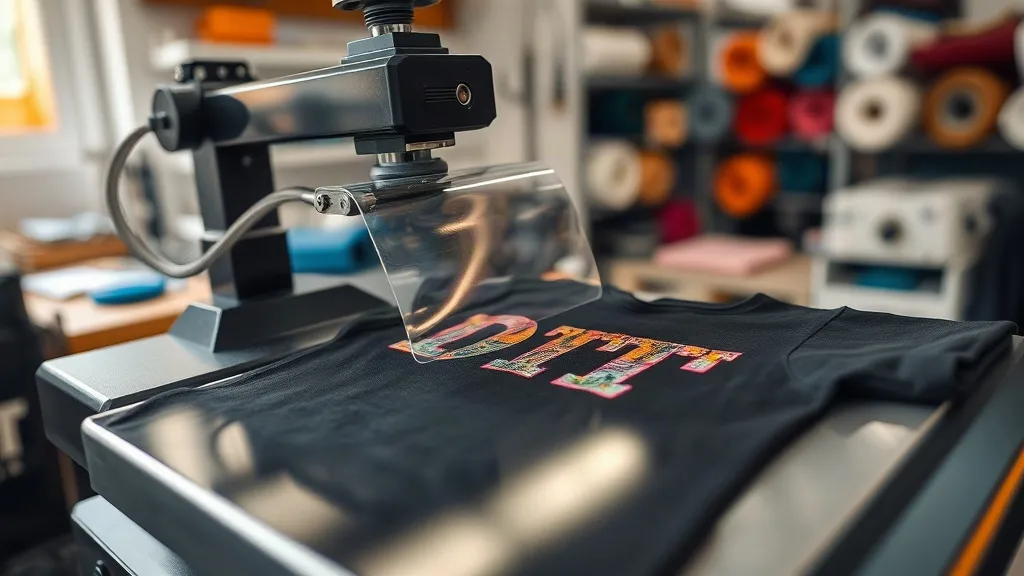
Custom apparel has never been more accessible, thanks to dtf printing technology. Unlike traditional methods that require multiple steps and specific fabrics, DTF transfers offer a streamlined approach that yields professional results. Whether you're a small business owner looking to create branded merchandise or a hobbyist wanting to personalize gifts, understanding DTF transfers can open up a world of creative possibilities. In this guide, we'll walk you through what DTF transfers are, how they work, and why they might be the perfect solution for your next project.
What Are DTF Transfers?
DTF stands for Direct to Film. It's a printing method where your design is printed onto a special film, coated with a powder adhesive, and then heat-pressed onto the fabric. The result is a durable, vibrant transfer that bonds permanently to the material. Unlike DTG (Direct to Garment) printing, which prints directly onto the fabric, DTF transfers allow you to print on a wide range of materials, including cotton, polyester, blends, and even leather. This versatility makes dtf transfers a favorite among crafters and professionals alike.
How DTF Transfers Work: A Step-by-Step Overview
Understanding the process helps you appreciate the technology and troubleshoot any issues. Here's a simplified breakdown:
- Design Preparation: Your artwork is prepared digitally, with colors adjusted for printing. It's then printed onto a PET film using specialized DTF inks.
- Powder Application: While the ink is still wet, a thermoplastic powder is applied evenly over the design. The excess powder is shaken off.
- Curing: The film with the powder is heated to melt the powder, creating a adhesive layer that will bond to the fabric.
- Transfer: The film is placed on the garment and heat-pressed. After cooling, the film is peeled away, leaving the design bonded to the fabric.
This process can be done with a dedicated DTF printer or by outsourcing to a service. Many small businesses start by ordering transfers from a supplier and applying them in-house.
Why Choose DTF Transfers for Your Custom Apparel?
There are several compelling reasons to consider DTF for your next project:
- Vibrant Colors: DTF inks produce bright, opaque colors that stand out, even on dark fabrics. You can achieve photographic-quality images with fine gradients.
- Fabric Flexibility: Works on cotton, polyester, blends, and more. No need for pre-treatment like with DTG on dark shirts.
- Durability: When applied correctly, DTF transfers withstand repeated washing without cracking or fading.
- Cost-Effective for Small Runs: No minimum order quantities, making it ideal for one-off designs or small batches.
- Fine Detail: DTF can reproduce intricate details, thin lines, and small text that other methods might struggle with.
These advantages make dtf transfers a versatile tool in any custom apparel toolkit.
DTF vs. Other Printing Methods
How does DTF stack up against competitors? Let's compare:
DTF vs. DTG
DTG prints directly onto the garment, which can be limiting on dark colors (requires pre-treatment) and polyester. DTF works on almost any fabric and doesn't require pre-treatment, but the transfer has a slight hand feel (thickness) that some may notice. However, modern DTF films are thin and soft.
DTF vs. Vinyl
Heat transfer vinyl (HTV) is great for simple designs but not for complex, multi-color images. DTF excels at detailed, full-color graphics and doesn't require weeding, saving time and labor.
DTF vs. Screen Printing
Screen printing is cost-effective for large orders but has setup costs per color. DTF is more economical for small runs and offers unlimited colors without extra charges. However, for very large orders, screen printing may be cheaper per unit.
Applications of DTF Transfers
DTF transfers are used in a variety of settings:
- Custom T-shirts: Perfect for personalized gifts, team uniforms, or promotional wear.
- Hoodies and Sweatshirts: The transfers bond well to heavier fabrics.
- Tote Bags: Add logos or designs to canvas bags.
- Sportswear: Works on performance fabrics, though stretchability should be tested.
- Home Decor: Personalize pillows, aprons, and more.
The possibilities are vast, limited only by your imagination.
Getting Started with DTF Transfers
If you're ready to dive in, here's what you need:
- Design: Create or obtain artwork. Ensure it's high resolution (300 DPI) for best results.
- Printer and Supplies: You can buy a DTF printer, inks, film, and powder. Alternatively, order transfers from a service.
- Heat Press: A heat press is essential for consistent application. Temperatures typically range from 300°F to 350°F (150°C to 175°C) for 10-15 seconds.
- Practice: Test on scrap fabric to dial in your settings.
Many suppliers offer starter kits that include everything you need. For those who prefer to outsource, companies like dtf transfers provide high-quality transfers ready to apply.
Tips for Successful DTF Application
To ensure your transfers look great and last, follow these tips:
- Pre-press the Garment: Remove moisture and wrinkles before applying the transfer.
- Even Pressure: Apply firm, even pressure with your heat press. Too little pressure can cause poor adhesion.
- Cool Peel: Let the transfer cool completely before peeling the film. This prevents the design from stretching or lifting.
- Wash Inside Out: To prolong the life of the transfer, wash garments inside out in cold water and avoid harsh detergents.
- Storage: Store unused transfers in a cool, dry place away from direct sunlight.
These simple practices can make a big difference in durability and appearance.
Common Mistakes to Avoid
Even experienced crafters can run into issues. Here are some pitfalls to watch out for:
- Insufficient Pressure: Leads to transfers peeling off. Make sure your press is calibrated.
- Wrong Temperature: Too hot can scorch the fabric or melt the film; too cold results in poor adhesion.
- Peeling Too Soon: Always wait for the transfer to cool before peeling.
- Ignoring Fabric Type: Some fabrics like nylon or certain treated materials may not work well. Always test first.
By avoiding these, you'll achieve professional-looking results consistently.
Frequently Asked Questions About DTF Transfers
What fabrics can I use with DTF transfers?
DTF transfers work on a wide range of fabrics, including cotton, polyester, cotton-poly blends, canvas, denim, and even leather. They are not recommended for fabrics with a heavy water-repellent coating or very stretchy materials unless tested.
How long do DTF transfers last?
With proper application and care, DTF transfers can last as long as the garment itself. They withstand dozens of washes without significant fading or cracking. Following washing instructions (inside out, cold water, no bleach) will maximize longevity.
Can I apply DTF transfers with a home iron?
While it's possible to use a home iron, it's not ideal. A heat press provides consistent temperature and pressure, which are crucial for proper adhesion. If you must use an iron, use the highest setting without steam and apply firm pressure, but results may vary.
Do I need special ink for DTF printing?
Yes, DTF printing requires specialized DTF inks, usually pigment-based. These inks are formulated to work with the powder adhesive and produce vibrant, durable prints. Using regular inkjet ink will not work.
Is DTF printing cost-effective for small businesses?
Absolutely. DTF transfers have low startup costs if you outsource, and no minimum order requirements. For small runs, they are more economical than screen printing. As your volume grows, you can consider in-house printing to reduce per-unit costs.
Final Thoughts
DTF transfers are a game-changer for custom apparel. They offer unmatched versatility, vibrant colors, and ease of use. Whether you're a seasoned professional or just starting, incorporating DTF into your workflow can expand your creative horizons. With the tips and insights shared here, you're well-equipped to embark on your DTF journey. Remember, practice makes perfect, so don't hesitate to experiment and refine your technique. Happy crafting!