
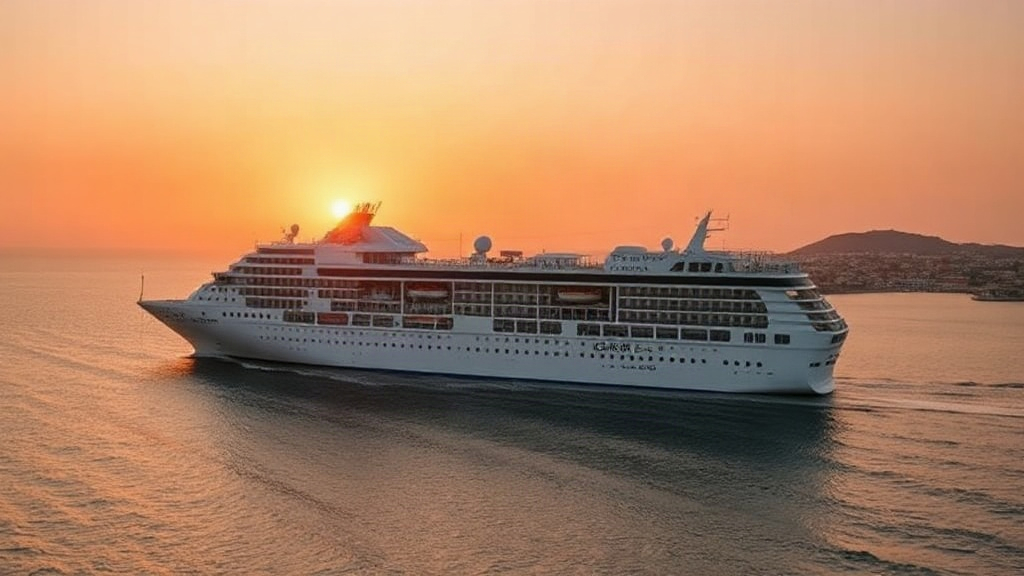
Shares in Saga, the UK group focused on over-50s travel and insurance, leapt by more than 13% on Tuesday after the company lifted its profit guidance for the year, crediting a stronger-than-expected summer trading period. The rally marks one of the stock's sharpest one-day gains in recent memory and offers a glimmer of hope for investors who have endured a prolonged period of underperformance.
In a brief trading update, Saga said it now expects underlying profit before tax for the full year to be ahead of previous expectations, driven by robust demand for its cruise and travel offerings. The company highlighted that its ocean cruises had sailed with near-full occupancy during the peak summer months, while its travel retail division also performed well. The news caught the market by surprise, sending the shares up sharply in early trading.
Why the Upgrade Matters
Saga has been a troubled story for several years. The pandemic hammered its cruise and travel operations, and the company was forced to restructure its balance sheet, including a deal that saw it hand over a significant stake to a US private equity firm. Its insurance business, once the crown jewel, has faced intense competition and regulatory pressures. Against that backdrop, any sign of a turnaround is eagerly seized upon by investors.
The raised profit outlook is significant because it suggests that Saga's core customers, the over-50s, are still willing to spend on experiences despite broader economic uncertainty. The company's cruise ships, which cater specifically to this demographic, have reportedly seen strong booking momentum not just for the summer but also for the upcoming winter season. That forward visibility is crucial for a business with high fixed costs.
Analysts had been cautious ahead of the update, with some warning that consumer discretionary spending could weaken as households face higher energy bills and persistent inflation. However, Saga's niche positioning appears to have insulated it somewhat from the worst of the downturn. Its customers are more likely to be mortgage-free and have disposable income, making them less sensitive to interest rate rises.
The Numbers Behind the Surge
While Saga did not provide detailed figures in its trading update, the market's reaction implies that the improvement is material. The 13% jump in the share price added tens of millions of pounds to the company's market value, although the stock remains far below its pre-pandemic levels. The move also triggered a broader reassessment of the UK travel and leisure sector, with peers such as Carnival and TUI also seeing modest gains.
According to the company, the key drivers were:
- Higher-than-expected occupancy on its two ocean cruise ships, Spirit of Discovery and Spirit of Adventure.
- Strong demand for its river cruise product, particularly on European routes.
- Improved margins in its travel retail business, which includes holiday packages and insurance add-ons.
- Cost control measures that have helped offset wage and fuel inflation.
The update did not mention the insurance division, which has been a drag on performance. Saga's insurance arm has struggled with claims inflation and increased competition from price comparison websites. However, the travel-led profit upgrade may buy management more time to fix that side of the business.
What This Means for Saga's Turnaround
This profit upgrade is a rare piece of good news for a company that has repeatedly disappointed. It suggests that the strategy of focusing on the over-50s market, rather than trying to compete broadly, is paying off. Saga's brand recognition among this demographic is a valuable asset, and the cruise product in particular has a loyal following.
However, challenges remain. The company still carries a hefty debt load from the pandemic era, and its insurance business requires investment to modernise. The share price, while up sharply on the day, is still well below the levels seen before 2020. Investors will want to see sustained improvement, not just a one-off summer boost.
Moreover, the macroeconomic environment is uncertain. While the over-50s may be more resilient, they are not immune to economic shocks. A downturn in the housing market or a sharp rise in unemployment could dampen demand for discretionary travel. Saga's management will need to demonstrate that the summer strength is not just a seasonal blip but part of a longer-term recovery.
Broader Implications for the Travel Sector
Saga's update could be an early indicator of a strong summer for the UK travel industry. Other companies targeting older travellers may report similar trends in the coming weeks. The cruise sector in particular has seen a resurgence as customers who postponed trips during the pandemic finally book again.
That said, not all travel companies are equal. Budget airlines and mass-market operators have warned of softening demand as consumers cut back. Saga's premium, niche focus appears to be a differentiator. Its customers are less likely to trade down to cheaper alternatives, and the all-inclusive nature of its cruises appeals to those who want certainty over costs.
The market's positive reaction also reflects relief that Saga is not issuing another profit warning. The company has had several in recent years, and another would have severely tested investor patience. Instead, the upgrade provides a much-needed boost to credibility.
What to Watch Next
Saga is due to report its full-year results later this year, and investors will be looking for more detail on the sustainability of the summer performance. Key areas to monitor include:
- Booking trends for 2025: Are customers booking early, and at what prices?
- Insurance division performance: Can Saga stem losses and improve underwriting?
- Debt reduction: Will the company use improved cash flow to pay down borrowings?
- Cost inflation: How well is Saga managing fuel and labour costs?
The company's ability to translate a strong summer into a full-year profit beat will be crucial. If it can, the shares may have further to run. If not, the rally could fizzle out as quickly as it began.
Frequently Asked Questions
Why did Saga shares jump 13%?
Saga shares jumped because the company raised its full-year profit outlook, citing stronger-than-expected summer trading, particularly in its cruise and travel businesses. The upgrade surprised the market and led to a sharp re-rating of the stock.
What is Saga's core business?
Saga primarily serves the over-50s market in the UK, offering travel (including ocean and river cruises), insurance, and financial services. Its cruise ships are a major part of its travel offering.
Is Saga's profit upgrade sustainable?
It is too early to say. The summer boost may be seasonal, and challenges remain in the insurance division and with debt. However, strong forward bookings for cruises suggest some momentum could carry into next year.
How does Saga's performance compare to other travel companies?
Saga's niche focus on older travellers has helped it outperform some mass-market operators. While budget airlines have warned of weakening demand, Saga's premium customers appear more resilient, though the company still faces broader economic risks.
What should investors watch next?
Investors should look for details on forward bookings, insurance division losses, debt reduction, and cost management when Saga reports its full-year results. These will indicate whether the profit upgrade is a one-off or the start of a sustained recovery.