
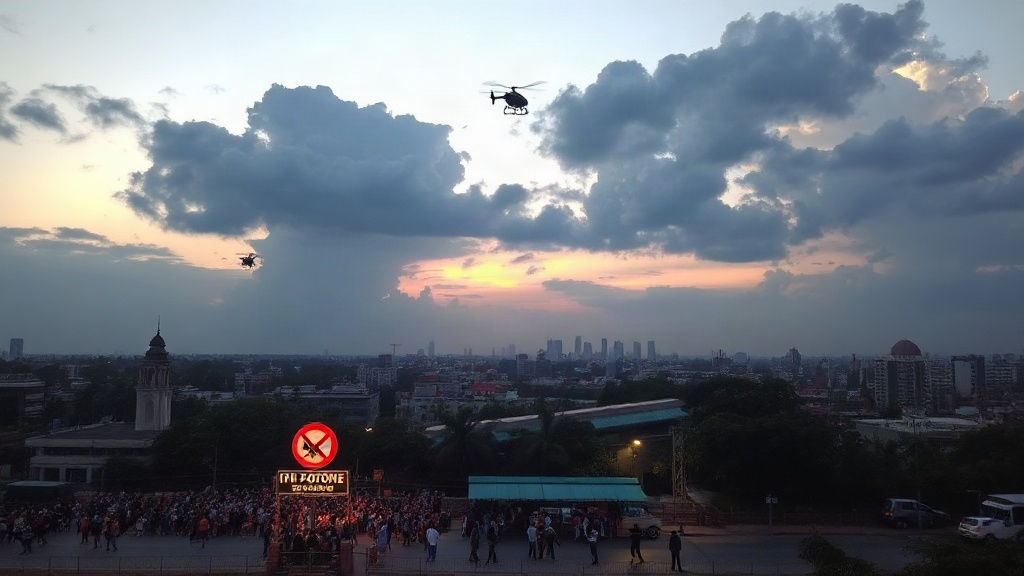
If you live in Coimbatore or run a business there, you might have noticed a sudden quiet in the skies. Ahead of the Chief Minister's scheduled visit, local authorities have imposed a temporary ban on drone operations across several parts of the city. The move, while not unusual for high-profile political events, has raised questions among hobbyists, commercial operators, and residents alike. In this article, we break down what the ban entails, why it was implemented, and what it means for you.
What Exactly Is Banned?
The ban, announced by the Coimbatore district administration, prohibits the flying of drones and unmanned aerial vehicles (UAVs) in specific zones within the city limits. According to official notices, the restriction covers areas around the airport, the venue of the Chief Minister's public meeting, and key arterial roads that the convoy will use. The ban is in effect for a limited period, typically from a few days before the visit until the entourage leaves the city.
While the exact boundaries may shift based on security assessments, the core message is clear: if you plan to fly a drone in Coimbatore during this window, you need to check whether your location falls within a no-fly zone. Violations can lead to legal action under the Indian Penal Code and the Aircraft Act, so it's not something to take lightly.
Which Areas Are Affected?
Based on the district administration's circular, the restricted zones include:
- The area within a 5-kilometer radius of the Coimbatore International Airport (already a permanent no-fly zone for drones).
- The vicinity of the CODISSIA Trade Fair Complex, where the Chief Minister is expected to address a public gathering.
- Major roads such as Avinashi Road, Trichy Road, and Mettupalayam Road during specific hours when the convoy is expected to move.
- Government buildings and VIP guest houses where the Chief Minister and other dignitaries will stay.
Residents in these areas should expect increased security presence and possible traffic diversions. If you're a drone operator, it's best to avoid flying anywhere near these zones until the restrictions are lifted.
Why the Ban? Security and Privacy Concerns
The primary reason for the ban is security. High-profile visits by the Chief Minister involve elaborate security arrangements, and drones pose a unique challenge. They can be used for surveillance, to disrupt events, or even as weapons. By grounding all civilian drones, law enforcement agencies reduce the risk of any untoward incident.
Additionally, there's the issue of privacy. Drones equipped with cameras can easily capture footage of restricted areas or private gatherings. During a VIP visit, the movement of the Chief Minister and other protected individuals is kept confidential for obvious reasons. A stray drone could compromise that secrecy, intentionally or not.
It's also worth noting that similar bans are common practice across India. Whether it's a Prime Minister's rally in Delhi or a festival in Mumbai, authorities routinely impose temporary drone restrictions. So while the ban might feel inconvenient, it's part of a well-established security protocol.
Impact on Residents and Businesses
For most residents, the drone ban is a minor inconvenience. You might see fewer drones buzzing overhead, but daily life continues largely unchanged. However, for certain businesses, the restrictions can have a more tangible impact.
Drone Service Providers
Commercial drone operators, such as those offering aerial photography, videography, or survey services, will need to reschedule their work. If you had a shoot planned in a restricted zone, you'll either have to postpone it or move to a permitted area. The ban typically lasts only a few days, so the disruption is temporary. Still, it's a reminder that drone operations in India are subject to dynamic regulations.
Event Organizers and Media
Event organizers who planned to use drones for coverage will need to make alternative arrangements. Media houses, too, may face challenges in getting aerial shots of the Chief Minister's visit. In many cases, they rely on official feeds or ground-based cameras. While this might limit the dramatic overhead visuals, it ensures compliance with security norms.
Delivery and Logistics
While drone-based delivery is still in its infancy in Coimbatore, any ongoing trials or pilot projects in the restricted zones will be paused. This is a minor blip, but it highlights the need for contingency plans in the emerging drone logistics sector.
What About Hobbyists and Enthusiasts?
If you're a drone hobbyist, the ban means you'll have to keep your drone grounded for a few days. It's frustrating, especially if you had plans to capture the city's skyline or a special event. But think of it as a short hiatus. Use this time to brush up on drone regulations, practice simulator flights, or scout new locations outside the restricted zones for future flights.
Remember, flying a drone without permission in a no-fly zone can lead to hefty fines and even imprisonment. The Directorate General of Civil Aviation (DGCA) has clear guidelines, and local police are authorized to enforce them. So, resist the temptation to sneak in a quick flight. It's not worth the risk.
How to Stay Compliant
If you own a drone, here are a few steps to ensure you're on the right side of the law during the ban:
- Check the official notifications from the Coimbatore district administration or local police. They often publish the exact boundaries and timings of the ban.
- Use DGCA's Digital Sky platform to check airspace restrictions. It provides real-time information on no-fly zones across India.
- Plan your flights outside the restricted period or in areas that are not covered by the ban.
- Spread the word among fellow drone enthusiasts. Many violations happen out of ignorance, so sharing information helps everyone stay safe.
The Bigger Picture: Drone Regulations in India
This temporary ban is a microcosm of India's evolving drone regulatory landscape. Over the past few years, the government has introduced a series of rules to govern drone usage, from registration requirements to no-fly zones. The aim is to balance innovation with security. While these regulations can seem burdensome, they are essential for integrating drones into Indian airspace safely.
For drone operators, staying informed is key. The rules can change quickly, especially around VIP movements, festivals, and sensitive locations. By keeping abreast of notifications and using official tools like Digital Sky, you can avoid legal trouble and contribute to a safer skies environment.
Frequently Asked Questions
How long will the drone ban in Coimbatore last?
The ban is typically in effect from a few days before the Chief Minister's visit until the visit concludes. However, exact dates can vary. Check with local authorities or the district administration's official announcements for precise timings.
Can I fly a drone in Coimbatore if I have a valid license?
Even with a valid license, you cannot fly in a restricted zone during the ban. The temporary restrictions override general permissions. Always check for active no-fly zones before flying.
What are the penalties for violating the drone ban?
Violations can lead to legal action under the Indian Penal Code and the Aircraft Act. Penalties may include fines, seizure of the drone, and even imprisonment. It's not worth the risk.
Are there any exceptions for emergency or government drone operations?
Yes, emergency services and government agencies may be exempted, but they must obtain prior clearance. Civilian operators are not granted exceptions.
How can I stay updated on future drone bans in Coimbatore?
Follow the Coimbatore district administration's website and social media handles. Also, regularly check the DGCA's Digital Sky platform for airspace updates.
In conclusion, the drone ban in Coimbatore is a temporary but necessary measure to ensure the safety and security of the Chief Minister's visit. While it may inconvenience some, understanding the reasons behind it and complying with the rules helps everyone. Stay informed, plan ahead, and keep your drone grounded until the skies are clear again.