
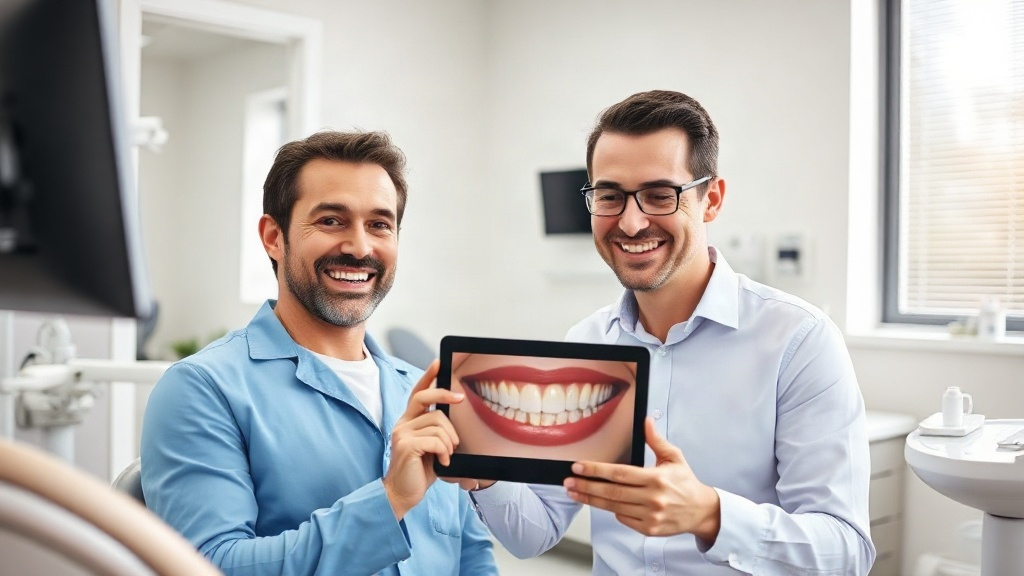
If you have ever hidden your smile in photos or felt self-conscious about chipped, stained, or uneven teeth, you are not alone. Millions of people dream of a flawless smile but worry about the cost and quality of treatment. That is exactly why veneers turkey has become a global phenomenon. Turkey has emerged as one of the world's leading destinations for cosmetic dentistry, offering top-tier materials, experienced clinicians, and prices that are often half or even a third of what you would pay in the UK or US. But is it the right choice for you? In this honest, detailed guide, we will walk you through everything you need to know, from the different types of veneers to the real patient experience, so you can make a confident decision.
Many people first hear about dental tourism in Turkey through a friend or social media. A colleague comes back from Istanbul with a brand-new smile, and suddenly you start wondering if you could do the same. The truth is that Turkey's dental sector is highly regulated, with many clinics using the same brands of porcelain and zirconia as high-end London practices. The main difference is the cost structure: lower overheads, a favourable exchange rate, and government support for health tourism mean you can access premium treatment for far less. But you should never choose a clinic based on price alone. This guide will help you understand the materials, the process, and the questions to ask before you book a flight.
Understanding Veneers and Your Smile Goals
Before we dive into Turkey specifics, let us make sure we are on the same page about what veneers actually are. A veneer is a thin, custom-made shell that is bonded to the front surface of a tooth. It can change the colour, shape, size, or length of the tooth, and it is one of the most effective ways to achieve a dramatic smile makeover. Veneers can fix a wide range of aesthetic issues: stubborn discolouration that whitening cannot remove, small gaps, minor misalignment, chips, and worn-down edges. However, they are not a substitute for orthodontics if you have significant bite problems, and they do require some enamel preparation in most cases.
Your first step should be to think carefully about what you want your smile to look like. Do you want a very white, uniform "Hollywood" look, or a more natural result with subtle character? Bring photos of smiles you admire to your consultation. A good dentist will tell you honestly what is achievable for your facial structure and gum line. This conversation is just as important when you are travelling abroad, if not more so, because you will have limited time in the clinic. The best Turkish clinics will offer a video consultation before you even book your flights, so you can discuss your goals and receive a preliminary treatment plan.
Types of Veneers Available in Turkey
When you research veneers turkey, you will quickly encounter several terms: porcelain, composite, Emax, zirconium, laminate. It can be confusing, so let us break down the most common options you will be offered in Turkish clinics.
Porcelain Veneers
Traditional porcelain veneers are made from feldspathic porcelain, which is layered by hand to mimic the translucency of natural enamel. They are incredibly beautiful and can be made very thin, but they require a highly skilled ceramist. Many Turkish laboratories are renowned for their artistry, and you will often find that the quality rivals what you would get in Western Europe. Porcelain veneers are stain-resistant and can last 10 to 15 years or more with good care.
Emax Veneers
emax veneers turkey have become the gold standard in cosmetic dentistry. Emax is a brand of lithium disilicate glass-ceramic that is extremely strong yet highly aesthetic. It can be milled to a very thin profile, which means less tooth reduction, and it bonds exceptionally well to enamel. Emax veneers are known for their lifelike translucency and resistance to chipping. Most high-end Turkish clinics will recommend Emax for front teeth because it offers the best balance of beauty and durability. If you are considering a full smile makeover, Emax is likely to be at the top of your list.
Zirconium Crowns and Veneers
While veneers cover only the front surface, sometimes a full-coverage crown is needed, especially on back teeth or when a tooth is heavily damaged. zirconium crowns turkey are incredibly popular for this purpose. Zirconia is a white, metal-free material that is biocompatible and extremely durable. Monolithic zirconia crowns are virtually unbreakable, making them ideal for molars. For front teeth, some clinics offer layered zirconia or a combination of zirconia and porcelain for improved aesthetics. If your treatment plan includes both veneers and crowns, your dentist will explain where each material is most appropriate.
Composite Veneers
Composite veneers are made from a tooth-coloured resin that is applied directly to the tooth and sculpted by the dentist. They are cheaper and can often be done in a single visit, but they are more prone to staining and chipping, and they typically last only 3 to 5 years. Some Turkish clinics offer composite as a budget option, but for a long-term investment, most patients opt for porcelain or Emax. Be wary of clinics that push composite without discussing the trade-offs.
Why Choose Turkey for Your Smile Makeover?
Turkey's rise as a dental tourism hub is not an accident. The country has invested heavily in healthcare infrastructure, and dental clinics in cities like Istanbul, Antalya, and Izmir are often equipped with the latest CAD/CAM technology, 3D imaging, and in-house laboratories. Many dentists have international training and speak fluent English, which removes a major barrier for patients from the UK and Ireland. The combination of quality and affordability is hard to beat. A full set of 20 Emax veneers in the UK might cost £15,000 to £20,000 or more; in Turkey, the same treatment often ranges from £4,000 to £7,000, including accommodation and transfers. That is a life-changing difference for many people.
Another advantage is the speed of treatment. In the UK, you might wait weeks or months for an appointment with a cosmetic dentist, and the process can take several visits spread over months. In Turkey, many clinics use a "dental holiday" model where you fly in for 5 to 7 days. During that time, you have your initial consultation, tooth preparation, temporary veneers, and final fitting. Some clinics even offer a second short trip if a try-in is needed. This efficiency is possible because the clinic has its own laboratory on site or nearby, and the entire team is focused on your case.
The Real Patient Journey: Step by Step
Let us walk through what you can expect if you decide to go ahead with veneers turkey. The process usually begins online. You send photos of your teeth and a brief description of what you want. The clinic replies with a preliminary plan and a quote. Do not be afraid to ask questions at this stage: What materials will be used? How many veneers do I need? What is the warranty? Who will be my dentist? A reputable clinic will answer promptly and transparently.
Once you book, you will arrange your flights and accommodation. Many clinics offer package deals that include a hotel stay and airport transfers, which simplifies everything. On your first day at the clinic, you will have a comprehensive examination, often including digital X-rays and a 3D scan. The dentist will discuss your goals and show you a digital smile design, which is a simulation of your new smile. This is your chance to make changes before any tooth is touched.
If you are happy with the plan, the dentist will prepare your teeth. For Emax veneers, this usually means removing a very thin layer of enamel, about 0.3 to 0.5 millimetres. The dentist will then take impressions or use an intraoral scanner to create a digital model. You will be fitted with temporary veneers to protect your teeth and give you a preview of the final result. The temporaries are not as strong or polished as the final veneers, but they should feel comfortable and look decent.
The dental laboratory will then fabricate your custom veneers. This takes 3 to 5 days on average. In the meantime, you can enjoy some sightseeing or simply relax at your hotel. When the veneers are ready, you return to the clinic for the fitting. The dentist will try them in, check the fit, colour, and bite, and make any necessary adjustments. Once you are both happy, the veneers are bonded to your teeth with a special adhesive and cured with a light. The dentist will then polish everything and give you detailed care instructions.
Cost Breakdown and What Affects the Price
Prices for veneers in Turkey vary depending on the clinic's location, reputation, and the materials used. As a rough guide, you can expect to pay anywhere from £150 to £350 per tooth for porcelain or Emax veneers. Composite veneers might be £80 to £150 per tooth. Zirconium crowns typically range from £180 to £400 per tooth. These are per-tooth prices, so a full smile makeover of 10 to 20 teeth can add up, but it is still dramatically cheaper than in the UK.
Several factors influence the final quote. The number of veneers is the most obvious. The complexity of your case also matters: if you need gum contouring, root canal treatment, or orthodontics first, those will be additional costs. The brand of the material matters too. Emax is a premium brand, and some clinics use other lithium disilicate materials that are slightly cheaper. Always ask exactly what brand and type of ceramic will be used, and make sure it is written in your treatment plan.
Beware of prices that seem too good to be true. A clinic offering full-mouth veneers for £1,000 is likely cutting corners on materials, sterilisation, or dentist qualifications. Quality dental work is not something to bargain-hunt for. That said, you do not need to choose the most expensive clinic either. Look for a balance: a clinic with a proven track record, genuine patient reviews, and a transparent pricing structure.
How to Choose a Safe and Reputable Clinic
This is the most important section of this guide. Your health and your smile are on the line, so do your homework. Start by checking if the clinic is accredited by the Turkish Ministry of Health and if it is a member of international dental associations. Look for dentists who have specific training in cosmetic dentistry and who can show you before-and-after photos of their own work. Many clinics on social media use stock photos or stolen images, so ask for video testimonials or the opportunity to speak with a past patient.
Read reviews on independent platforms, not just the clinic's website. Google Reviews, Trustpilot, and dental tourism forums can give you a more honest picture. Pay attention to how the clinic responds to negative reviews. Do they take responsibility and offer solutions, or do they become defensive? That tells you a lot about their patient care philosophy.
Another key factor is the warranty. A good clinic will offer a written warranty on the veneers, typically 5 to 10 years, covering defects in materials or workmanship. This warranty should be valid even after you return home, and the clinic should have a clear policy for handling any issues. Ask about what happens if a veneer chips or falls off after six months. Will they cover the repair? Will you need to fly back, or can they refer you to a local dentist?
Finally, trust your gut. If a clinic pressures you to book immediately, refuses to give you a written treatment plan, or avoids answering your questions, walk away. There are hundreds of excellent clinics in Turkey, so you do not need to settle for one that makes you uncomfortable.
Potential Risks and How to Minimise Them
No medical procedure is without risk, and dental tourism adds a layer of complexity. The most common issues are miscommunication, mismatched expectations, and complications after you return home. To minimise these risks, make sure you have a detailed written contract that specifies the exact treatment, materials, number of veneers, total cost, and warranty. Do not rely on verbal promises.
Consider purchasing travel insurance that includes dental treatment complications. Some policies specifically cover medical tourism. Also, plan for the possibility that you may need to return for adjustments. While most veneers are fitted perfectly the first time, occasionally a patient needs a minor tweak after the numbness wears off and they can feel the bite more accurately. Ask the clinic if they have a partner dentist in your home country who can handle minor adjustments under warranty.
It is also wise to schedule a check-up with your local dentist a few weeks after you return. They can assess the veneers, check your gum health, and give you peace of mind. If any issues arise, having a local professional involved can make resolution much easier.
Aftercare: Making Your New Smile Last
Your veneers are an investment, and with proper care, they can last well over a decade. The good news is that caring for veneers is similar to caring for natural teeth. Brush twice a day with a non-abrasive toothpaste, floss daily, and use an alcohol-free mouthwash. Avoid using your teeth as tools to open packages or bite nails. If you grind your teeth at night, ask your dentist about a custom night guard, as grinding can chip or crack porcelain.
Regular dental check-ups are essential, even if your veneers feel fine. Your dentist can spot early signs of problems, such as gum recession or bonding failure, and address them before they become serious. You should also be mindful of staining. Porcelain and Emax are highly stain-resistant, but the edges where the veneer meets the tooth can discolour over time if you consume a lot of coffee, tea, or red wine. Professional cleaning every six months will keep everything looking fresh.
One thing to remember: veneers do not protect against decay. The underlying tooth can still get cavities, especially at the margins. That is why excellent oral hygiene is non-negotiable. If you maintain your veneers well, you can enjoy your new smile for many years without needing replacement.
Alternatives to Veneers
Veneers are not the only path to a better smile, and a good dentist will discuss all your options. If your main concern is discolouration, professional teeth whitening might be all you need. If you have crooked or crowded teeth, orthodontic treatment with clear aligners could be a better long-term solution. Dental bonding with composite resin is a less invasive and cheaper option for minor chips and gaps, though it does not last as long. In some cases, a combination of treatments is the best approach. For example, you might whiten your lower teeth and get veneers only on the upper front teeth that show when you smile. This can save money and preserve more natural tooth structure.
During your consultation, ask the dentist to explain why they recommend veneers over other options. If they cannot give you a clear, patient-centred reason, get a second opinion. The best dentists are conservative and will not remove healthy enamel unnecessarily.
Realistic Expectations and Final Thoughts
It is easy to get caught up in the excitement of a new smile, but it is important to have realistic expectations. Veneers can dramatically improve your appearance, but they are not magic. They will not change the shape of your face or fix a misaligned bite. They may feel slightly different at first, and it can take a few weeks to get used to the new contours. The colour you choose should complement your skin tone and natural teeth, not just be the whitest shade available. A good cosmetic dentist will guide you toward a shade that looks stunning in real life, not just in photos.
If you have done your research, chosen a reputable clinic, and communicated your goals clearly, veneers turkey can be a safe, affordable, and life-changing experience. Thousands of patients fly to Turkey every year and return with smiles they love. The key is to treat it as a serious medical decision, not a holiday souvenir. Take your time, ask questions, and never rush into treatment. Your smile is worth the effort.
Frequently Asked Questions
How long do veneers from Turkey last?
With proper care, porcelain and Emax veneers from a quality Turkish clinic can last 10 to 15 years or longer. Composite veneers have a shorter lifespan of about 3 to 5 years. Longevity depends on your oral hygiene, habits like teeth grinding, and the skill of the dentist and lab technician.
Is it safe to get veneers in Turkey?
Yes, it is safe if you choose a reputable, accredited clinic with experienced cosmetic dentists and modern sterilisation protocols. Do your research, read independent reviews, and ask for a written treatment plan and warranty. Avoid clinics that offer extremely low prices or pressure you to book quickly.
How many veneers do I need for a full smile makeover?
Most patients get between 8 and 10 veneers on the upper teeth for a full smile transformation. Some also get veneers on the lower front teeth, bringing the total to 16 to 20. Your dentist will recommend the number based on your smile line, tooth condition, and aesthetic goals.
Can I eat normally with veneers?
Yes, you can eat most foods with veneers. However, you should avoid biting into very hard items like ice, hard candies, or bones, as these can chip the porcelain. It is also wise to limit staining foods and drinks, and to avoid using your teeth as tools.
What if something goes wrong after I return home?
A reputable Turkish clinic will offer a warranty and a clear aftercare policy. Many have partner dentists in the UK or will cover the cost of repairs if you return. Before you leave, ask for a written warranty and contact details for follow-up care. Your local dentist can also assess any issues and communicate with the Turkish clinic if needed.