
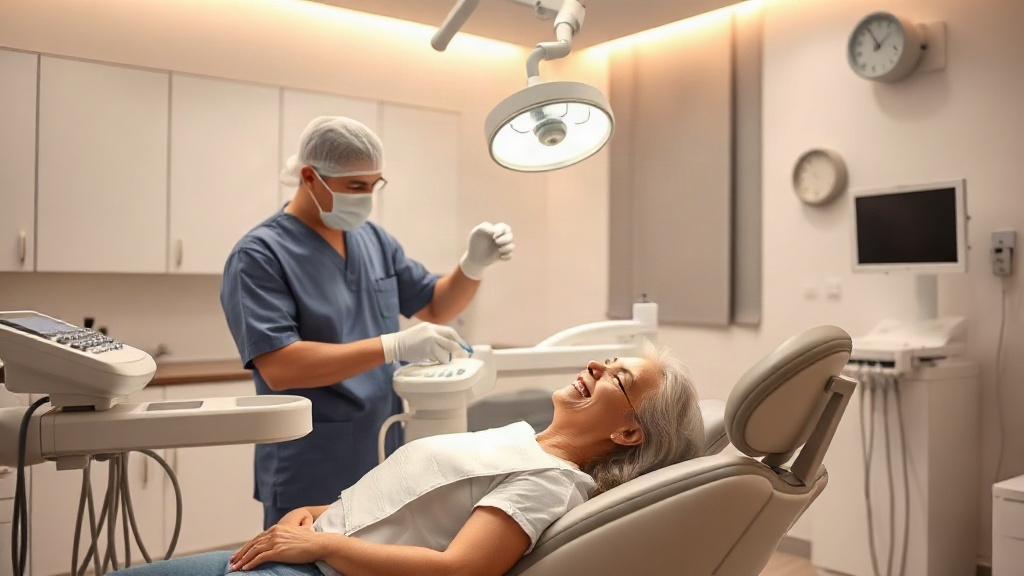
If you have been putting off a smile makeover because of high prices at home, you are not alone. Many people are now looking beyond their borders for affordable, high-quality dental care. Turkey has become one of the most popular destinations for dental tourism, and for good reason. The combination of experienced dentists, modern clinics, and significantly lower costs makes it an attractive option. But before you book a flight, it is important to understand what you are getting into. This guide will walk you through everything you need to know about veneers turkey, from the types of treatments available to how to choose the right clinic.
Why Turkey Became a Dental Hub
Turkey's rise as a dental destination did not happen overnight. The country has invested heavily in healthcare infrastructure, especially in cities like Istanbul, Antalya, and Izmir. Many clinics are equipped with the latest technology, including 3D imaging, CAD/CAM systems, and laser dentistry. Dentists in Turkey often receive training in Europe or the United States, and many are members of international dental associations. This means you can expect a standard of care that rivals what you would find in the UK or the US, but at a fraction of the price.
Another key factor is the cost. For example, a single porcelain veneer in the UK can cost anywhere from £600 to £1,200. In Turkey, the same veneer might cost between £150 and £300. That is a massive saving, especially if you need multiple teeth treated. The same applies to crowns, implants, and full smile makeovers. When you add up the savings, even after factoring in flights and accommodation, many patients end up paying half or even a third of what they would at home.
Types of Dental Treatments Available
Turkey offers a full range of dental services, but the most popular among international patients are cosmetic and restorative treatments. These include:
- Porcelain veneers
- E-max veneers
- Zirconium crowns
- Dental implants
- Teeth whitening
- Full mouth rehabilitation
Each treatment has its own advantages and considerations. Understanding the differences will help you make an informed decision.
Porcelain Veneers
Porcelain veneers are thin shells of ceramic that are bonded to the front surface of your teeth. They are ideal for correcting discoloration, chips, gaps, and minor misalignment. The process usually requires two visits: one to prepare the teeth and take impressions, and another to place the veneers. The result is a natural-looking, durable smile that can last 10 to 15 years with proper care.
E-max Veneers
emax veneers turkey are made from lithium disilicate, a type of glass ceramic known for its strength and translucency. They are thinner than traditional porcelain veneers, which means less tooth reduction is needed. E-max veneers are particularly good for patients who want a very natural appearance, as they mimic the light-reflecting properties of natural enamel. They are also highly resistant to chipping and staining.
Zirconium Crowns
If you have a tooth that is heavily damaged or has undergone a root canal, a crown may be necessary. zirconium crowns turkey are a top choice because they are incredibly strong and biocompatible. Unlike traditional metal-based crowns, zirconium is white and does not cause a grey line at the gum. It is also metal-free, making it a good option for patients with metal allergies. Zirconium crowns can be used on both front and back teeth, and they blend seamlessly with your natural smile.
What to Expect During Your Visit
The typical dental tourism trip to Turkey lasts about 5 to 7 days, though this can vary depending on the complexity of your treatment. Most clinics offer a package that includes airport transfers, hotel accommodation, and sometimes even a translator. The first day usually involves a consultation and a detailed examination, often with X-rays or a 3D scan. The dentist will then create a personalized treatment plan and discuss the costs upfront.
For treatments like veneers or crowns, the actual dental work is often completed in two or three appointments spread over a few days. This allows the lab to fabricate your restorations while you enjoy some sightseeing. Many patients use the downtime to explore Istanbul's historic sites or relax by the coast. After the final fitting, you will receive aftercare instructions and a follow-up plan. Most clinics stay in touch with international patients via email or video calls to monitor healing.
Choosing the Right Clinic
Not all clinics in Turkey are the same, so it is crucial to do your research. Look for clinics that are accredited by the Turkish Ministry of Health or international bodies like the Joint Commission International (JCI). Read reviews from previous patients on independent platforms, and ask for before-and-after photos of similar cases. A reputable clinic will be transparent about the materials they use, the qualifications of their dentists, and the total cost of treatment. Do not be swayed by extremely low prices, as they may indicate the use of inferior materials or rushed work.
Understanding the Costs
The cost of dental treatment in Turkey varies depending on the clinic, the materials used, and the number of teeth involved. On average, you can expect to pay:
- Porcelain veneers: £150 to £300 per tooth
- E-max veneers: £200 to £350 per tooth
- Zirconium crowns: £200 to £400 per tooth
- Dental implants: £400 to £800 per implant
These prices are significantly lower than in the UK or the US, but remember that quality should never be compromised for the sake of saving a few pounds. Always ask for a detailed quote that includes all fees, such as lab costs, anesthesia, and temporary restorations. Hidden costs can quickly add up, so clarity is essential.
Safety and Quality Considerations
One of the biggest concerns for dental tourists is safety. The good news is that Turkey has strict regulations for dental practices, and many clinics adhere to European standards of sterilization and infection control. Single-use instruments are common, and autoclaves are used for reusable tools. However, it is still wise to ask about the clinic's sterilization protocols and to observe the overall cleanliness of the facility during your first visit.
Another important factor is the quality of materials. Make sure the clinic uses internationally recognized brands for veneers, crowns, and implants. For example, E-max veneers should be made from genuine Ivoclar Vivadent lithium disilicate, and zirconium crowns should come from reputable manufacturers like Katana or BruxZir. A trustworthy clinic will be happy to show you the packaging and explain the origin of their materials.
Aftercare and Long-Term Success
The success of your dental treatment does not end when you leave the clinic. Proper aftercare is essential to ensure the longevity of your veneers or crowns. This includes maintaining good oral hygiene, avoiding hard foods that could damage the restorations, and attending regular dental check-ups. Most Turkish clinics provide a warranty on their work, typically ranging from 2 to 10 years depending on the treatment. Be sure to understand the warranty terms, including what is covered and how to make a claim if needed.
Is Dental Tourism in Turkey Right for You?
Dental tourism is not for everyone. If you have complex dental issues that require multiple stages of treatment or long-term follow-up, it may be more practical to stay closer to home. However, for straightforward cosmetic procedures like veneers turkey, emax veneers turkey, or zirconium crowns turkey, Turkey offers an excellent combination of quality and affordability. The key is to be well-informed, choose a reputable clinic, and have realistic expectations about the process and the results.
Frequently Asked Questions
How long do veneers and crowns last from Turkey?
With proper care, porcelain and E-max veneers can last 10 to 15 years, while zirconium crowns can last 15 to 20 years or more. The lifespan depends on your oral hygiene, diet, and regular dental visits. Many Turkish clinics offer warranties that cover defects in materials or workmanship for a certain period.
Is it safe to travel to Turkey for dental work right now?
Yes, Turkey is a popular and generally safe destination for medical tourism. The country has well-established healthcare infrastructure and many clinics that cater specifically to international patients. As with any travel, it is wise to stay informed about current travel advisories and to choose a clinic with a strong reputation for patient safety and satisfaction.
What if something goes wrong after I return home?
Most reputable clinics in Turkey provide a warranty and will work with you to resolve any issues that arise. This may involve a free repair or replacement, though you might need to cover travel costs. Before committing, ask the clinic about their aftercare policy and how they handle complications for international patients. It is also a good idea to have a local dentist who can provide emergency care if needed.
Can I get a full smile makeover in one trip?
In many cases, yes. For treatments like veneers or crowns, the entire process can often be completed in 5 to 7 days, depending on the number of teeth and the complexity of the case. Some clinics offer a "smile makeover" package that includes all necessary appointments, temporary restorations, and final placement within a single visit. However, for more extensive work like full mouth implants, a longer stay or a second visit may be required.
How do I choose between veneers and crowns?
The choice depends on the condition of your teeth. Veneers are best for cosmetic improvements on otherwise healthy teeth, such as discoloration, minor chips, or gaps. Crowns are used when a tooth is severely damaged, weakened, or has a large filling. A good dentist will assess your oral health and recommend the most appropriate option. In some cases, a combination of both may be used to achieve the best aesthetic and functional result.