
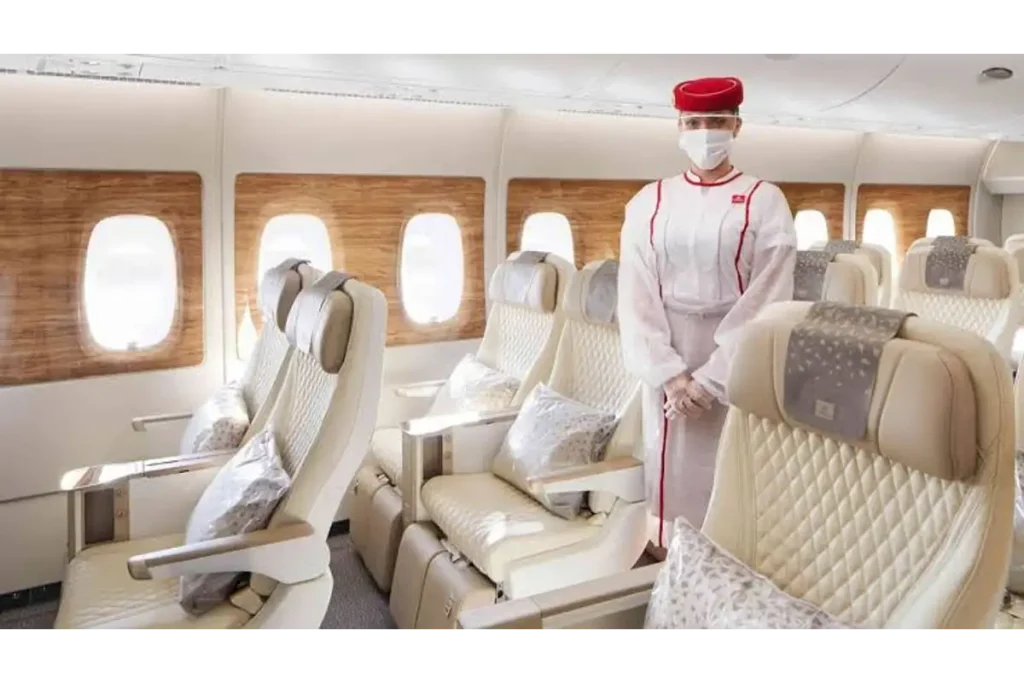
Defying global inflation and rising ticket costs, the demand for premium leisure travel hit record highs on Wednesday, July 8, 2026, as high-spending consumers choose comfort over affordability, forcing major international airlines to rapidly expand their luxury cabins and airport lounge networks. This unprecedented shift has turned the traditional aviation economy upside down, proving that premium leisure is no longer just a niche market but the main driver of global airline profits.
- 1. High Inflation Fails to Cool Luxury Flight Demands
- 2. Why Premium Leisure Travel Has Become the Industry’s Golden Goose
- 3. Global Airlines Restructure Fleets to Expand Premium Cabins
- 4. The Lucrative Influence of Co-Branded Credit Cards
- 5. Airline Premium Cabin Growth and Revenue Metrics
- 6. Frequently Asked Questions
1. High Inflation Fails to Cool Luxury Flight Demands
Despite a global travel price index that has risen 19.2% since 2019, luxury spending on flights has defied all standard macroeconomic expectations. Total U.S. travel spending alone is projected to reach an unprecedented $1.37 trillion in 2026, and the broader premium leisure travel segment is showing zero signs of slowing down.
While standard economy class cabins are being aggressively densified with ten-abreast configurations on widebody aircraft, high-end cabins remain fully booked. This widening comfort gap has encouraged middle-class vacationers to purchase premium upgrades rather than settle for basic seating.
2. Why Premium Leisure Travel Has Become the Industry’s Golden Goose
The profile of the premium cabin passenger has undergone a massive transformation over the past several years. Pre-pandemic, first-class and business-class seats were almost exclusively occupied by corporate business travelers whose tickets were paid directly by company travel policies.
Today, the lines between business and personal trips have blurred, with hybrid workers and “treat yourself” vacationers paying out-of-pocket. This new class of flyer has turned premium leisure travel into the most profitable division for commercial airlines.
As business travel patterns remain unpredictable, premium leisure travel provides a highly stable revenue hedge against inflation-weary corporate budgets, keeping yields consistently strong throughout the year.
“High-income consumers are continuing to spend aggressively on luxury experiences. Our premium cabins are our most valuable real estate right now, and they show no signs of cooling off,” noted Delta Air Lines CEO Ed Bastian in a recent television interview.
3. Global Airlines Restructure Fleets to Expand Premium Cabins
In response to this structural market shift, major global airlines are aggressively modifying their aircraft layout configurations. American Airlines recently announced it is increasing its premium seat capacity at twice the rate of the main cabin on all new and renovated aircraft.
United Airlines is rolling out its new “Elevated” interior on its Boeing 787-9 Dreamliners, expanding its Polaris Business Class and Premium Plus sections. Delta and United are aggressively investing in this shift, citing that premium leisure travel yields much higher margins than basic economy.
4. The Lucrative Influence of Co-Branded Credit Cards
The financial ecosystem supporting this travel trend extends far beyond traditional airline booking portals. Furthermore, the rise of premium leisure travel is deeply linked to co-branded credit card usage, which offers high-end spenders a quicker path to elite status.
Cards like the Delta Reserve Amex and the Alaska Airlines Atmos Rewards Summit Visa have seen record-high consumer adoption rates in 2026. These financial partnerships allow credit card holders to earn premium upgrades through everyday spending, keeping premium cabins occupied even during economic downtrends.
5. Airline Premium Cabin Growth and Revenue Metrics
The shifting economic metrics and revenue shares of premium leisure travel are summarized in the comparative table below:
| Cabin Category / Metric | Average Price Increase (YoY) | Revenue Margin Advantage | 2026 Demand Status |
|---|---|---|---|
| First / Business Class (Lie-Flat) | +14% | +15 percentage points vs. Economy | Record High / Solved over-upgrades |
| Premium Economy | +18% | +8 percentage points vs. Economy | Fastest-growing cabin segment |
| Basic / Main Cabin Economy | +6% | Baseline standard margins | Moderate / High price-sensitivity |