
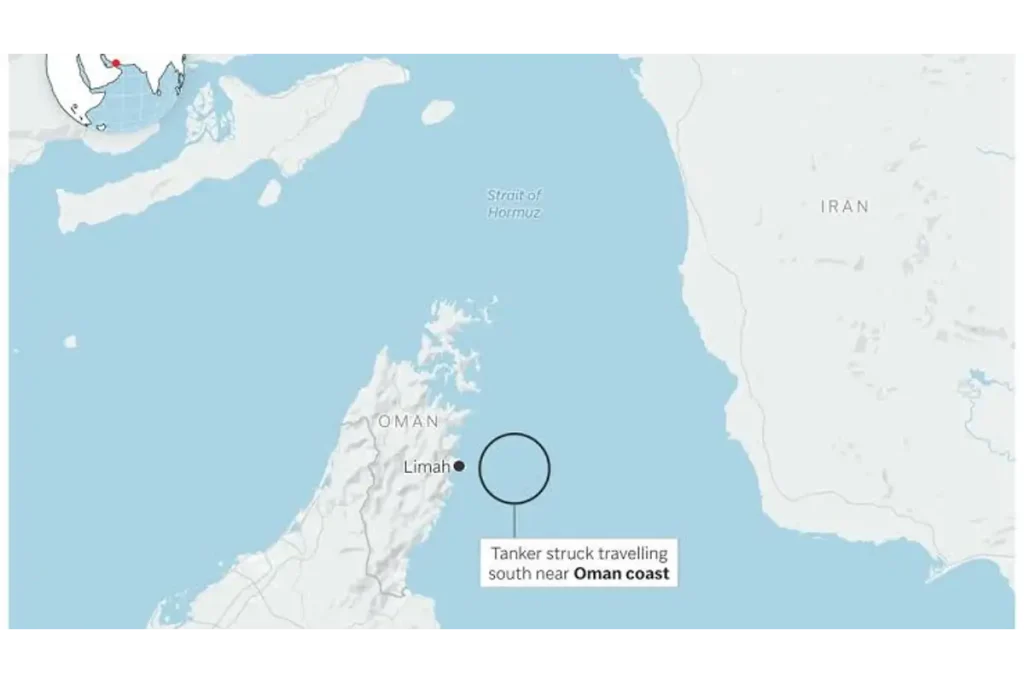
Following a sudden escalation in the Gulf, Iranian missile threats triggered air raid sirens across Bahrain and Kuwait early Wednesday, July 8, 2026, forcing citizens to scramble for safety as local air defense networks actively intercepted incoming hostile drone and rocket barrages. The dramatic pre-dawn event marks a significant expansion of the ongoing conflict between Washington and Tehran, threatening the fragile peace in the Middle East.
1. A Sudden Escalation in the Gulf Region
The sound of air raid sirens echoed through Bahrain and Kuwait, plunging millions of residents into panic as regional tensions hit a boiling point. Local authorities quickly issued urgent warnings, instructing citizens to seek immediate shelter and stay away from open windows.
“The siren has been sounded. Citizens and residents are urged to remain calm and head to the nearest safe place,” Bahrain’s Ministry of Interior stated in an emergency alert published on social media.
This sudden alarm represents a major escalation, as both Gulf nations host vital Western military installations that are currently in the crosshairs of Tehran’s retaliatory forces. The emergency sirens went off in multiple waves throughout the morning.
2. Retaliatory US Strikes Trigger Iranian Outburst
The latest wave of hostility follows an intensive military campaign by the United States. Overnight, the US Central Command (CENTCOM) announced it had completed precision strikes on more than 80 military targets inside Iran.
These strikes were launched in direct response to recent Iranian attacks on commercial tankers in the critical Strait of Hormuz shipping lane. In retaliation, Tehran mobilized its aerospace assets, launching massive waves of projectiles. Consequently, the threat level remains high as regional militaries prepare for further Iranian missile threats.
3. Kuwait and Bahrain Defenses Intercept Iranian Missile Threats
Kuwait’s military leadership reacted quickly to the inbound aerial vehicles. The Kuwaiti Army announced that its air defense systems successfully engaged and intercepted multiple hostile drones and missiles.
“Kuwaiti air defenses are currently confronting hostile missile and drone attacks. The General Staff of the Army notes that if explosion sounds are heard, they are the result of air defense systems intercepting the hostile attacks,” the military announced on X.
Local defensive command networks remained on high alert throughout Wednesday morning, anticipating secondary waves. Strategically, Kuwait’s Ministry of Defense confirmed it responded aggressively to the latest Iranian missile threats, deploying Patriot missile batteries to secure key airspace.
4. Strategic Impact: Energy Corridors and Bases at Risk
The Islamic Revolutionary Guard Corps (IRGC) claimed responsibility for the massive strikes, stating they targeted 85 US military targets across the Gulf. This includes Salman Port and the US Navy’s Fifth Fleet headquarters in Bahrain, as well as the strategic Ali Al-Salem Air Base in Kuwait.
Additionally, the IRGC claimed it successfully shot down a US MQ-9 Reaper drone over the southern Bushehr province during the operation. The response to these Iranian missile threats shows how quickly regional safety can degrade, putting vital global energy corridors at risk.
5. Key Regional Bases and Defense Metrics
To understand the scale of the threat, it is crucial to analyze the targeted military facilities. These locations house thousands of Western personnel and advanced interception hardware.
The defensive postures of various installations during the Iranian missile threats are summarized below:
| Facility Name | Host Country | Strategic Importance | Defense Status |
|---|---|---|---|
| Salman Port / Fifth Fleet HQ | Bahrain | Primary US naval command center in the Middle East | Air sirens active; high alert |
| Ali Al-Salem Air Base | Kuwait | Key coalition air logistics hub and combat wing base | Interceptions confirmed by defense systems |
| Strait of Hormuz | International Waterway | Chokepoint for global petroleum transit | Severe threat rating; tankers rerouting |