
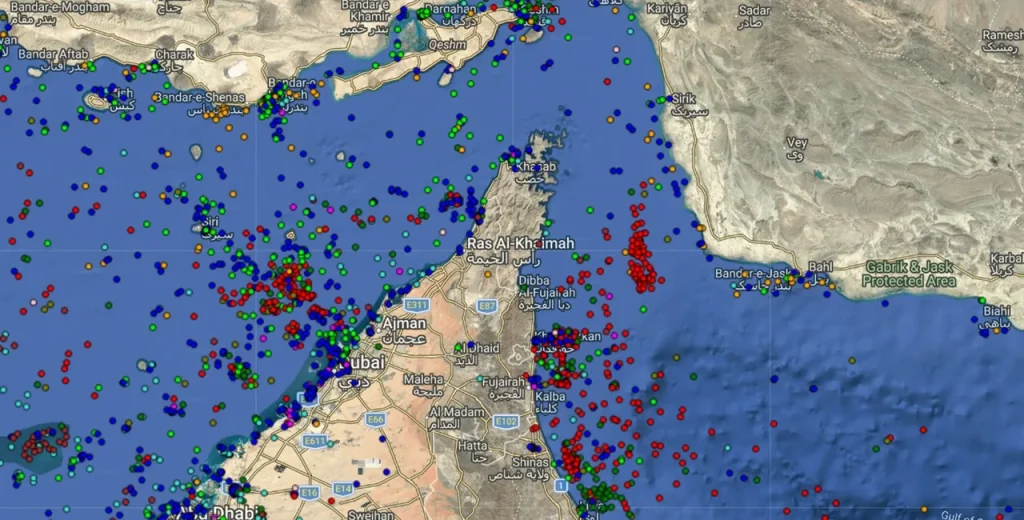
The ongoing strait of hormuz crisis has entered a highly volatile phase after U.S. forces launched a massive wave of retaliatory airstrikes against Iranian military installations. In the early hours of Wednesday, July 8, 2026, U.S. Central Command (CENTCOM) executed targeted strikes hitting over 80 military assets across southern Iran, including air defense networks, coastal radar arrays, and anti-ship missile sites. This rapid escalation follows a series of missile and drone attacks by Tehran on three commercial tankers transiting the crucial energy corridor on Tuesday, shattering a fragile ceasefire and sending shockwaves through global energy and diplomatic sectors.
Table of Contents
Dozens of Targets Hit: How the Strait of Hormuz Crisis Forced Retaliation
For months, the international shipping community has faced persistent disruptions in the Middle East’s primary oil transit lane. The sudden targeting of the Saudi-flagged tanker Wedyan and Qatari-flagged LNG carrier Al Rekayyat forced allied naval commanders to alter their defensive posture.
According to military briefings, the Iranian drone and missile strikes represent an “unwarranted and dangerous escalation,” violating the fragile April ceasefire and plunging the region back into a full-scale strait of hormuz crisis. Within hours of the tanker attacks, military aircraft struck several launching hubs along Iran’s southern coast, with heavy explosions reported near Bandar Abbas and Qeshm Island.
Revoked Oil Waivers and Immediate Energy Market Reactions
Simultaneously, the Trump administration revoked the oil sanctions waiver, accelerating the financial dimensions of the strait of hormuz crisis. The Office of Foreign Assets Control (OFAC) cancelled General License X, which previously allowed limited exports of Iranian crude as a core incentive of the peace talks.
This policy reversal triggered an immediate 6% spike in global Brent crude prices, as traders priced in a prolonged blockage of the waterway. Economists warn that if hostilities continue to expand, energy chokepoints could remain closed, threatening global supply chains and disrupting inflation mitigation efforts across Europe and North America.
Military Operations: Assets and Sites Struck in 24 Hours
Evaluating the shifting tactical postures during the strait of hormuz crisis highlights the direct escalations of the last 24 hours. Both sides have abandoned the diplomatic parameters of the April truce, shifting back to rapid physical engagement.
| Combatant Operations | Tehran / IRGC Campaign | U.S. / Allied Retaliation |
|---|---|---|
| Tactical Targets Engaged | 3 commercial vessels (Saudi, Qatari, international) | 80+ military sites (Radar, missiles, launchpads) |
| Tactical Escalations in the Strait of Hormuz Crisis | Fast-attack swarm boat deployments | 60+ IRGC vessels neutralized in port bases |
| Secondary Counter-Attacks | 85 rocket and missile strikes in Bahrain and Kuwait | Active engagement of Patriot & THAAD systems |
| Geopolitical Sanctions Status | MOU violated (Claims US breach of terms) | OFAC General License X officially revoked |
What the Experts Say: Gulf Air Defenses and Swarm Threats
Even as diplomatic channels in the Gulf scramble to prevent a total region-wide war, the geopolitical conflict is drawing in neighboring Arab states. Following the U.S. airstrikes, the IRGC retaliated by targeting allied military logistics sites in Kuwait and Bahrain, activating regional air defense systems.
“Iran’s demonstrated aggression was unwarranted, dangerous, and a clear violation of the ceasefire. CENTCOM forces remain postured and prepared to hold Iran accountable when the agreement is not adhered to or obeyed, ensuring the free flow of commerce through the international trade corridor.”
With sirens wailing in Kuwait and Manama, military analysts warn that the conflict is rapidly evolving from a maritime containment mission into a multi-theater engagement. The focus over the next 48 hours will depend on whether back-channel negotiations can establish a new containment boundary before regional infrastructure suffers permanent damage.
Frequently Asked Questions
What triggered the latest escalation in the Strait of Hormuz crisis?
The latest escalation was triggered by Iranian missile and drone attacks on three commercial shipping vessels (including Saudi and Qatari tankers) transiting the Strait of Hormuz, which the U.S. declared a violation of their ceasefire agreement.
What did the U.S. military target in its overnight strikes on Iran?
U.S. forces struck over 80 targets, including Iranian coastal air defense networks, command hubs, anti-ship missile launchers on Qeshm Island, and more than 60 small IRGC fast-attack boats.
Why did the U.S. revoke Iran’s oil sanctions waiver?
The Trump administration revoked General License X because the memorandum of understanding (MOU) was entirely performance-based, meaning Iran forfeited the economic benefits of the deal by attacking commercial shipping vessels in the Strait of Hormuz.