
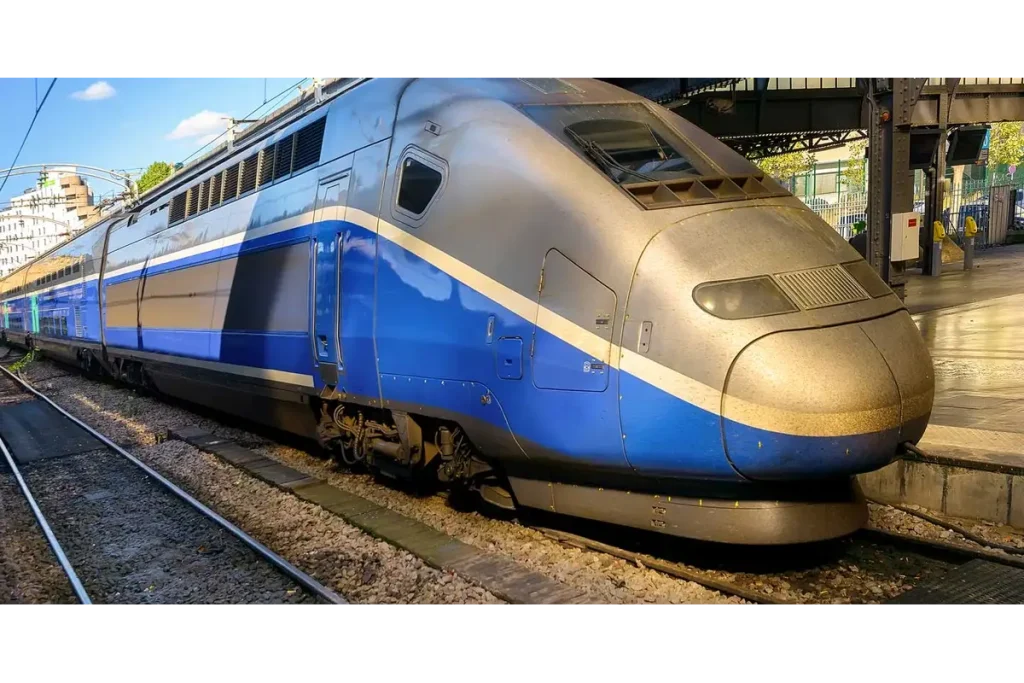
Pioneering a sustainable alternative to short-haul flights, the newly expanded European night train alliance officially launched a high-speed sleeper route on Wednesday, July 8, 2026, connecting five major capital cities in under 8 hours of transit time. This monumental structural expansion represents a massive shift in international travel logistics, aimed at managing the exponential post-pandemic rise in global passenger traffic.
- 1. The Sleeper Renaissance: Bridging Continental Gaps
- 2. Achieving the Sub-8-Hour High-Speed Milestone
- 3. Inside the Structural Evolution of the European Night Train Alliance
- 4. Dismantling Short-Haul Aviation with Green Transit
- 5. Network Performance and Capital Transit Metrics
- 6. Frequently Asked Questions
1. The Sleeper Renaissance: Bridging Continental Gaps
Over the past decade, European travelers have quietly shifted away from short-haul flights in favor of sustainable, long-distance rail travel. In response, state-backed national operators have mobilized to resurrect iconic overnight networks that were once retired due to low profitability.
This historic expansion by the European night train alliance represents the most significant investment in sleeper rolling stock in modern history. By connecting key urban node structures, the network transforms overnight transit into a high-comfort “hotel on wheels” experience.
2. Achieving the Sub-8-Hour High-Speed Milestone
Historically, sleeper trains were characterized by leisurely, winding tracks that took upwards of 12 to 14 hours to complete cross-border transits. However, the integration of dedicated high-speed rail corridors has changed the game, cutting travel times down to under 8 hours.
By coordinating timetables across national operators, the European night train alliance ensures that passengers can board in Paris in the evening and wake up refreshed in Berlin or Prague. As infrastructure improves, the European night train alliance expects to further reduce border delays and streamline metropolitan arrivals.
“Today is a good day for all passengers and commuters who will benefit from the new rail services. This is a true team effort, making rail even more appealing than competing modes of transport,” noted a German transport official during the launch.
3. Inside the Structural Evolution of the European Night Train Alliance
The core partners driving this network are Germany’s Deutsche Bahn (DB), Austria’s ÖBB, France’s SNCF, and Belgium’s NMBS/SNCB. Together, they have pooled their resources, including Next-Generation Nightjet cabins and upgraded locomotives, to bypass high border access charges.
A primary challenge solved by the European night train alliance is interoperability. Different electric voltages and track-signaling systems have traditionally stopped trains at national borders. Under the TEE 2.0 concept, the European night train alliance has received European Commission backing to deploy unified European Rail Traffic Management (ERTMS) units across all border segments.
4. Dismantling Short-Haul Aviation with Green Transit
Environmental metrics continue to drive the political momentum behind the overnight rail expansion. According to environmental lobby groups, traveling by plane emits up to five times more carbon dioxide than high-speed electric trains.
For travelers, the expanded European night train alliance services offer an elegant escape from stressful airport security lines and baggage drop delays. Several EU member states are now drafting policies to completely phase out short-haul commercial flights on routes where a high-speed rail alternative under four hours exists, with eyes on expanding the rule to eight-hour paths by 2030.
5. Network Performance and Capital Transit Metrics
The transit metrics and capital city connections coordinated by the European night train alliance are displayed in the table below:
| Sleeper Route | Key Capital Cities Connected | Average Travel Duration | Onboard Comfort Status |
|---|---|---|---|
| Paris – Berlin | Paris (France) & Berlin (Germany) | 7h 45m | Next-Gen Deluxe Sleeper Cars |
| Brussels – Berlin | Brussels (Belgium) & Berlin (Germany) | 8h 12m | Standard Couchettes & Mini-Suites |
| Brussels – Prague | Brussels (Belgium) & Prague (Czechia) | 10h 30m | Comfort-Standard & Bicycle Storage |
| Vienna – Paris | Vienna (Austria) & Paris (France) | 12h 15m | Classic Couchettes & Showers |