
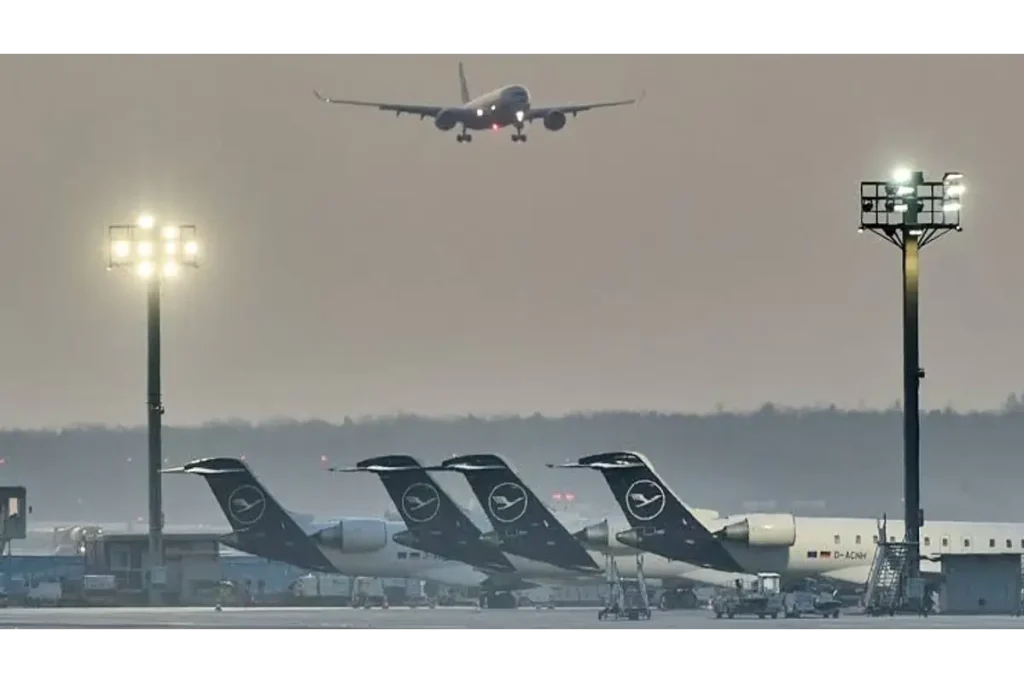
As soaring global aviation fuel costs exceeded $6 billion for the second consecutive month, the global airline industry faces a severe profitability crisis, forcing international carriers to dramatically alter their summer schedules and push airfares to historic highs on Wednesday, July 8, 2026. The unexpected escalation has squeezed the balance sheets of both budget operators and major network airlines, leaving little room for operational error during the peak travel season.
- 1. Unprecedented Turbulence for Summer Travel
- 2. Global Airlines Squeezed as Aviation Fuel Costs Surge
- 3. Regional Outlooks and the Threat to Smaller Carriers
- 4. Shifting Models: Loyalty and Premium Cabins to the Rescue
- 5. Global Airline Industry Performance and Cost Metrics
- 6. Frequently Asked Questions
1. Unprecedented Turbulence for Summer Travel
The global aviation sector has entered a period of extreme financial turbulence just as the peak summer travel season begins. According to newly released data, U.S. carriers alone spent a staggering $6.66 billion on fuel in May, marking the second consecutive month where expenditures crossed the critical $6 billion threshold.
This financial bleeding is a direct consequence of ongoing geopolitical tensions in the Middle East, which have severely disrupted global crude supply chains. For consumers, the immediate result is a rapid rise in airfares and sudden domestic route suspensions as airlines scramble to remain solvent.
2. Global Airlines Squeezed as Aviation Fuel Costs Surge
The International Air Transport Association (IATA) has sharply downgraded its financial outlook for the year, citing the immense pressure of fuel prices. Net profits are now projected to fall to $23.0 billion—roughly half of the $45 billion recorded in 2025.
With aviation fuel costs rising by nearly 40% year-over-year, the industry’s average profit margins are compressing to a razor-thin 2.0%. This means total aviation fuel costs will account for over 31% of all operational expenses, up from a standard historical average of around 24%.
“The airline industry entered the year with real momentum, but by mid-year, that optimism feels like a distant memory as fuel volatility and inflation pressure decimate margins,” noted a senior analyst from Fitch Ratings.
3. Regional Outlooks and the Threat to Smaller Carriers
The regional landscape is highly differentiated, with operators closest to the Middle East airspace restrictions suffering the most. Middle Eastern airlines are expected to collectively slip into the red due to weak localized demand and expensive flight diversions.
Meanwhile, smaller and budget-oriented carriers are facing a severe risk of collapse or forced consolidation. Lacking the cash reserves and diversified revenue streams of major network airlines, these smaller players are completely exposed to the energy shock.
4. Shifting Models: Loyalty and Premium Cabins to the Rescue
To survive the relentless pressure of aviation fuel costs, large network carriers are pivoting to high-margin revenue streams outside of standard ticket sales. International Airlines Group (IAG), the parent company of British Airways, announced plans to double its loyalty division’s operating profits by 2030.
Carriers like Delta, United, and Lufthansa are aggressively expanding credit card partnerships and simplifying point-redemption systems. By prioritizing premium seating and loyalty memberships, these giants are reducing their vulnerability to volatile oil markets.
“We need about a 15% to 20% increase in airfares to ultimately recover 100% of that fuel price. In the meantime, premium cabins and loyalty are keeping us afloat,” stated Scott Kirby, CEO of United Airlines.
5. Global Airline Industry Performance and Cost Metrics
The dramatic year-over-year shift in aviation fuel costs and airline profit projections is detailed in the table below:
| Industry Metric | 2025 (Actual) | 2026 (Projected / Current) | Year-over-Year Change |
|---|---|---|---|
| Global Net Profits | $45.0 Billion | $23.0 Billion | -48.9% (Halved) |
| Net Profit Margin | 4.2% | 2.0% | -52.4% |
| Average Jet Fuel Cost | $90 / barrel | $152 / barrel | +68.9% |
| US Monthly Fuel Spend (May Peak) | $3.6 Billion | $6.66 Billion | +85.0% |