
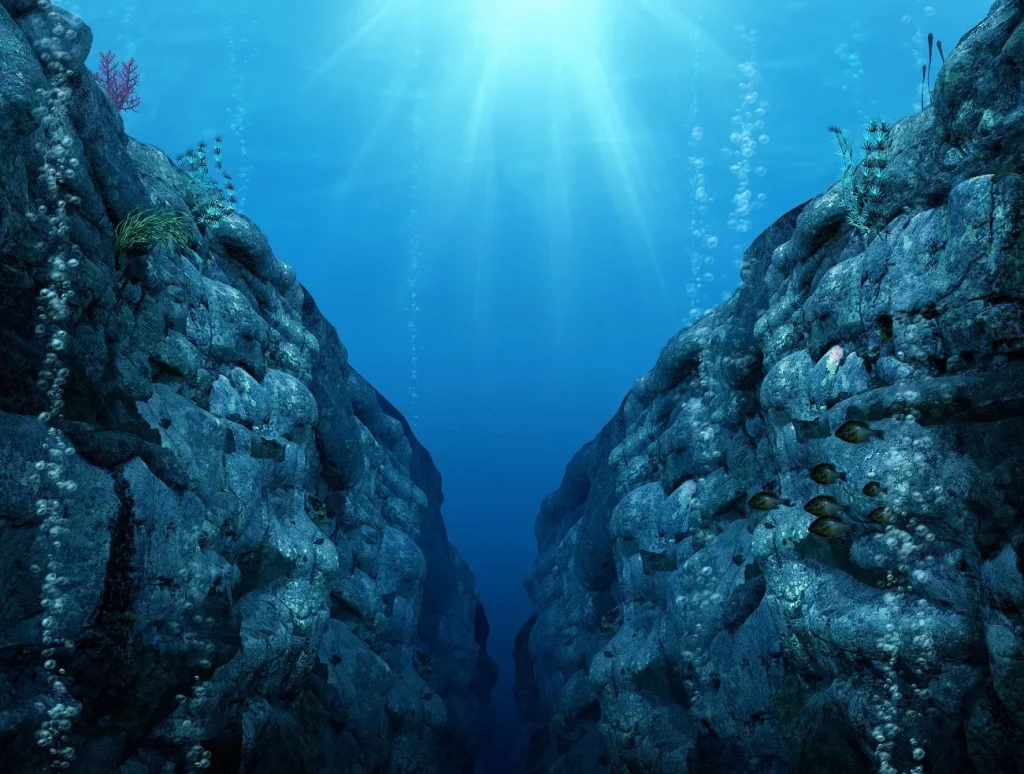
Returning from the deepest abyss on Earth, international marine biologists conducting a groundbreaking Mariana Trench expedition unveiled over 100 previously unclassified deep-sea extreme species on Wednesday, July 8, 2026, revealing a thriving, chemosynthesis-based ecosystem situated nearly seven miles beneath the ocean’s surface in total darkness. The landmark discovery dramatically redefines the limits of complex cellular biology in Earth’s most hostile environment.
- 1. Journeying Into the Hadal Zone: Challenger Deep 2026
- 2. Unmasking More Than 100 Deep-Sea Extreme Species
- 3. The Secret of Chemosynthesis-Based Life in the Dark
- 4. Advanced ROV Technology and Real-Time Genomic Sequencing
- 5. Comparing Deep-Sea and Shallow-Water Ecological Profiles
- 6. Frequently Questions Asked
1. Journeying Into the Hadal Zone: Challenger Deep 2026
The Hadal zone, representing ocean depths between 6,000 and 11,000 meters, remains the least explored frontier on Earth. An international team of marine biologists recently concluded a multi-week expedition to the Challenger Deep, and the discovery of these deep-sea extreme species challenges our understanding of how life thrives without photosynthesis.
Operating in complete darkness and under hydrostatic pressures exceeding 1,000 times that of sea level, researchers deployed state-of-the-art robotic submersibles. What they found on the muddy trench floor represents an extraordinary, self-sustaining biosphere that has evolved in isolation for millions of years.
2. Unmasking More Than 100 Deep-Sea Extreme Species
Documenting these deep-sea extreme species requires meticulous taxonomic analysis, as many have never been seen by human eyes. During the expedition, researchers collected physical specimens and video records of over 100 previously unclassified animals, expanding the global register of marine life.
These deep-sea extreme species include giant single-celled xenophyophores, translucent snailfish, and carnivorous sponges with glass-like structural frameworks. Preliminary assessments suggest that nearly 90% of the gathered organisms represent entirely new branches on the evolutionary tree of life.
“The sheer abundance of undescribed organisms at these extreme depths is mind-blowing. We are not just finding new species; we are discovering entirely new biological strategies for survival under crushing loads,” explained a lead taxonomist during the post-cruise briefing.
3. The Secret of Chemosynthesis-Based Life in the Dark
In the absence of sunlight, traditional photosynthesis is impossible, meaning Hadal food webs must rely on alternative energy pathways. Rather than relying on sunlight, these deep-sea extreme species obtain energy from chemical compounds leaking from hydrothermal vents and tectonic fault seeps.
Specialized bacteria and archaea utilize hydrogen sulfide and methane to produce organic carbon, forming the foundational layer of this deep-sea food chain. Larger organisms, including predatory worms and specialized crustaceans, feed on these microbial mats, maintaining a highly complex food web nearly seven miles down.
4. Advanced ROV Technology and Real-Time Genomic Sequencing
Studying fragile organisms from the Hadal zone has historically been difficult due to rapid temperature and pressure changes during ascent. To overcome this, the research vessel deployed specialized robotic arms and rotary samplers to capture delicate specimens in pressurized chambers.
Additionally, scientists utilized onboard robotic DNA sequencers to decode the genomes of these organisms immediately after retrieval. By collecting delicate tissue samples, researchers studied these deep-sea extreme species in their native pressure environments, preserving their physiological integrity for future laboratory analysis.
5. Comparing Deep-Sea and Shallow-Water Ecological Profiles
The taxonomic classifications and metabolic mechanisms of the discovered deep-sea extreme species are summarized in the table below:
| Biological Category | Shallow-Water Equivalents | Mariana Trench Extreme Species | Extreme Survival Adaptations |
|---|---|---|---|
| Snailfish (Liparidae) | Standard bony skeletal fish | Mariana Snailfish (Pseudoliparis) | Cartilaginous skull, TMAO-rich cells |
| Sponges (Porifera) | Filter-feeders in coral reefs | Carnivorous Glass Sponges | Silica-based hook structures to trap prey |
| Amphipods (Crustacea) | Small microscopic beach-hoppers | Gigantic Hadal Amphipods (Alicella) | Gigantism, pressure-resistant cell membranes |
| Single-Cell Organisms | Microscopic amoebas | Giant Xenophyophores | Multi-nucleated giant cells (up to 10cm) |